CRGO (Cold Rolled Grain Oriented) electrical steel is a high-silicon electrical steel designed specifically for transformer cores. Through a specialized manufacturing process, the steel’s crystal grains are aligned in a single direction, allowing magnetic flux to flow more efficiently. This significantly reduces core loss and improves transformer efficiency, making CRGO steel the most widely used material for power and distribution transformer cores worldwide.
Table of Contents
- Introduction to Electrical Steel
- What Makes CRGO Steel Different
- Why Transformers Use CRGO Steel
- Key Magnetic Properties of CRGO Steel
- Standard CRGO Steel Grades
- Typical Thickness and Dimensions
- Manufacturing Process of Grain Oriented Silicon Steel
- Applications in Power Infrastructure
- International Standards and Specifications
- Market Demand and Industry Trends
- Key Takeaways
Introduction to Electrical Steel
Electrical steel is a specialized type of steel designed for applications involving magnetic fields. It is primarily used in equipment such as transformers, electric motors, generators, and inductors.
The defining characteristic of electrical steel is its ability to efficiently conduct magnetic flux while minimizing energy loss.
Electrical steel is typically divided into two major categories:
Grain Oriented Electrical Steel (CRGO)
Non-Oriented Electrical Steel (CRNGO)
CRGO steel is specifically designed for applications where the magnetic flux flows predominantly in one direction. This makes it ideal for transformer cores, where magnetic flux follows a predictable path.
Non-oriented electrical steel, on the other hand, is used in rotating machines such as motors and generators where the magnetic flux direction constantly changes.
Because transformer cores operate continuously and consume significant electrical energy, the magnetic performance of CRGO steel plays a critical role in reducing energy losses across power grids.
What Makes CRGO Steel Different
The defining feature of CRGO steel is grain orientation.
During the manufacturing process, the crystal structure of the steel is controlled so that most grains align in the rolling direction. This alignment significantly enhances magnetic permeability along that direction.
As a result, magnetic flux can pass through the material with less resistance, reducing energy loss.
The advantages of grain orientation include:
• Higher magnetic permeability
• Lower hysteresis loss
• Reduced core loss
• Improved transformer efficiency
• Reduced heat generation
These properties make CRGO steel particularly suitable for transformer core laminations.
Without grain orientation, transformers would experience higher losses, increased operating temperatures, and lower energy efficiency.
Why Transformers Use CRGO Steel
Transformers function by transferring electrical energy between circuits through electromagnetic induction.
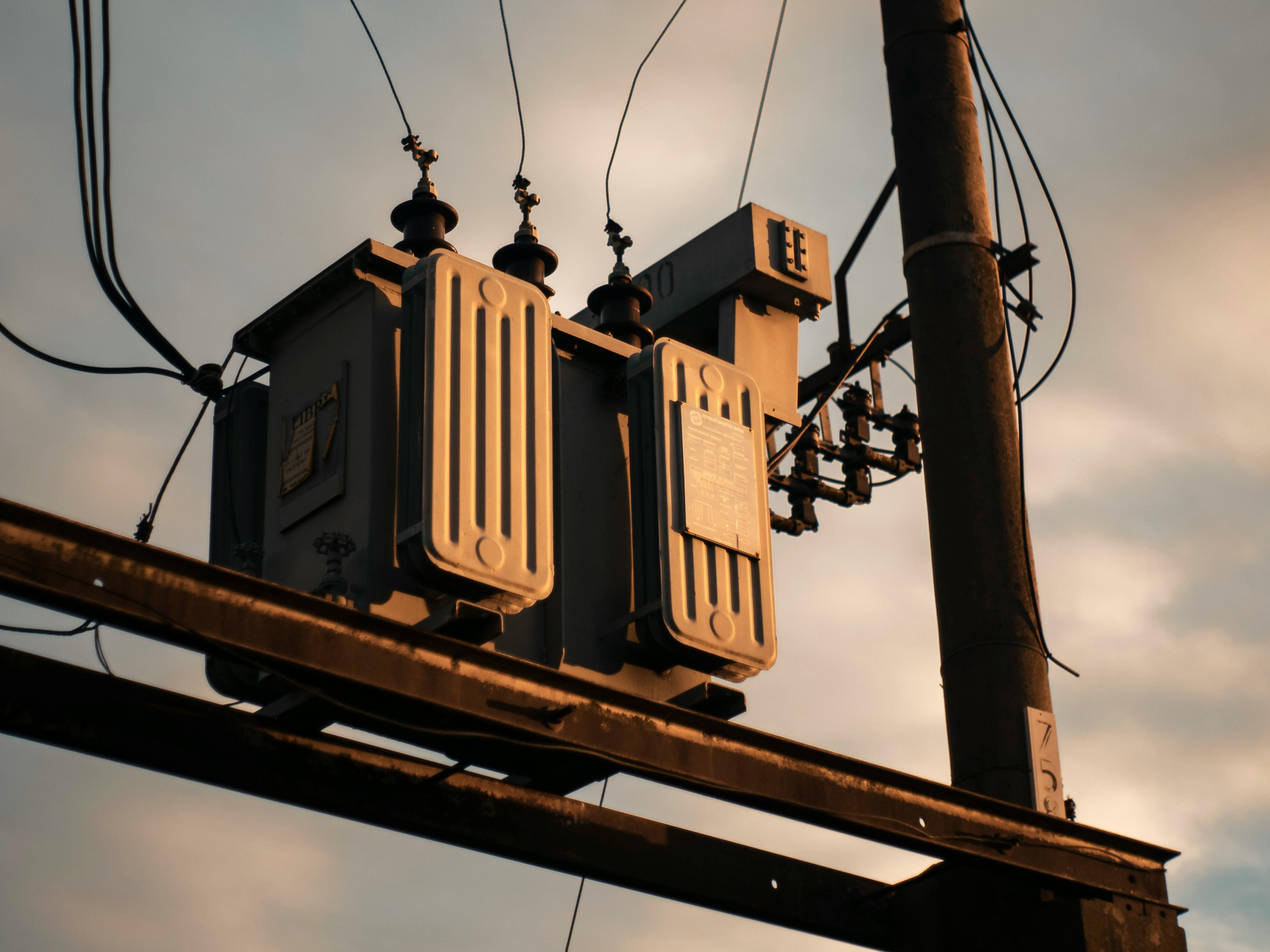
The transformer core serves as the magnetic pathway that allows magnetic flux to circulate between the primary and secondary windings.
For efficient operation, the core material must:
• allow magnetic flux to pass easily
• minimize energy loss during magnetization cycles
• maintain stable magnetic properties over long operating periods
CRGO steel satisfies these requirements better than most other materials.
Because transformers operate continuously for decades, even a small reduction in core loss can result in substantial energy savings over the lifetime of the equipment.
In large power grids, improved transformer efficiency can translate into significant reductions in electricity waste.
This is why electrical utilities and transformer manufacturers rely heavily on high-performance grain oriented electrical steel.
Key Magnetic Properties of CRGO Steel
Several key parameters are used to evaluate the performance of CRGO steel.
These parameters are standardized and widely used across transformer manufacturing and electrical engineering industries.
Core Loss (P1.7/50)
Core loss represents the energy dissipated as heat when the steel is subjected to an alternating magnetic field.
The commonly used measurement P1.7/50 indicates the core loss measured at:
magnetic flux density: 1.7 Tesla
frequency: 50 Hz
Lower core loss values indicate better performance and higher transformer efficiency.
Magnetic Flux Density (B8)
Magnetic flux density indicates the magnetic induction capability of the steel when subjected to a given magnetizing force.
Higher B values indicate stronger magnetic performance.
Typical B8 values for CRGO steel range from:
1.85 Tesla to 1.89 Tesla.
Thickness
Electrical steel thickness significantly influences energy loss.
Thinner materials reduce eddy current losses but may increase production cost.
Common CRGO thicknesses include:
0.18 mm
0.20 mm
0.23 mm
0.27 mm
0.30 mm
Among these, 0.23 mm and 0.27 mm are the most commonly used in transformer cores.
Standard CRGO Steel Grades
Different CRGO steel grades correspond to different levels of magnetic performance.
Grades are typically defined by core loss values and thickness.
Below are examples of commonly used grades.
| Grade | Thickness | Core Loss P1.7/50 | Magnetic Flux Density B8 |
|---|---|---|---|
| 23Q85 | 0.23 mm | 0.80 – 0.85 W/kg | 1.85 – 1.89 T |
| 23Q90 | 0.23 mm | 0.85 – 0.90 W/kg | 1.85 – 1.89 T |
| 23Q95 | 0.23 mm | 0.89 – 0.91 W/kg | 1.85 – 1.89 T |
| 23Q100 | 0.23 mm | 0.90 – 0.97 W/kg | 1.85 – 1.89 T |
| 27Q120 | 0.27 mm | 1.05 – 1.15 W/kg | 1.85 – 1.89 T |
These grades are commonly used in power transformer and distribution transformer cores.
Typical Thickness and Dimensions
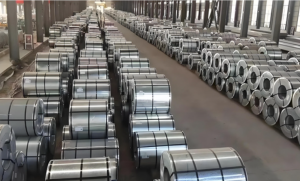
CRGO steel is usually supplied in coil form, which is then processed into laminations used for transformer core assembly.
Typical coil widths may vary depending on production requirements, but common ranges include:
600 mm
900 mm
1000 mm
1100 mm
1250 mm
The material is often slit into narrower strips to match transformer core lamination sizes.
Dimensional accuracy, flatness, and insulation coating quality are important factors for ensuring consistent transformer performance.
Manufacturing Process of Grain Oriented Silicon Steel
Producing CRGO steel requires a complex metallurgical process involving multiple controlled stages.
The typical production process includes:
Steelmaking and silicon alloying
Hot rolling
Pickling
Cold rolling
Decarburization annealing
Secondary recrystallization annealing
Insulation coating
The most critical step is secondary recrystallization, where abnormal grain growth occurs to create the desired grain orientation.
This process allows the formation of large, uniformly aligned grains that provide superior magnetic performance.
Due to the complexity of this process, only a limited number of steel mills worldwide are capable of producing high-quality grain oriented electrical steel.
Applications in Power Infrastructure
CRGO steel is widely used in various types of transformers, including:
Power transformers
Distribution transformers
Renewable energy transformers
Industrial transformers
With the rapid expansion of renewable energy systems, electric vehicle infrastructure, and data centers, the demand for high-efficiency transformers continues to grow.
As a result, the demand for high-performance CRGO steel has also increased.
Electrical steel has become a critical material supporting modern energy infrastructure.
International Standards and Specifications
CRGO steel is typically manufactured in accordance with international standards such as:
IEC 60404 series for electrical steel
ASTM electrical steel standards
GB/T standards for grain oriented silicon steel
These standards define testing methods, magnetic property requirements, dimensional tolerances, and coating specifications.
Compliance with these standards ensures that the material performs consistently across different transformer manufacturing processes.
Market Demand and Industry Trends
The global demand for transformer steel has been increasing due to several factors:
Expansion of renewable energy systems
Growth of electric vehicle charging infrastructure
Increasing electricity demand from data centers
Modernization of power grids
In particular, AI data centers require substantial electrical infrastructure, which increases the need for high-efficiency transformers.
This trend is expected to drive continued demand for grain oriented electrical steel in the coming years.
Key Takeaways
CRGO steel is the primary material used for transformer core manufacturing.
Its grain oriented structure enables efficient magnetic flux flow and reduces energy loss.
Common grades such as 23Q85 and 23Q90 are widely used in power transformers.
Typical thicknesses include 0.23 mm and 0.27 mm.
With the expansion of modern power infrastructure, CRGO steel continues to play a critical role in improving energy efficiency worldwide.
FAQ
What is CRGO steel used for?
CRGO steel is mainly used in transformer cores where efficient magnetic flux conduction and low energy loss are essential.
What does 23Q90 mean in silicon steel?
23Q90 refers to grain oriented silicon steel with a thickness of approximately 0.23 mm and a maximum core loss of around 0.90 W/kg under standard testing conditions.
Why is grain orientation important in electrical steel?
Grain orientation improves magnetic permeability along the rolling direction, allowing magnetic flux to pass more efficiently through the material.
What thickness of CRGO steel is commonly used in transformers?
The most common thicknesses used in transformer cores are 0.23 mm and 0.27 mm.