23Q90 is a grade designation for grain oriented silicon steel (CRGO) used in transformer cores. In this grade name, 23 refers to the steel thickness of approximately 0.23 mm, Q indicates grain oriented electrical steel, and 90 represents the maximum core loss value of about 0.90 W/kg under standard testing conditions (P1.7/50). This grade provides a balance between magnetic performance and cost, making it widely used in distribution and medium-power transformers.
Table of Contents
- Introduction to Electrical Steel Grades
- Understanding the 23Q90 Designation
- Thickness Identification in Electrical Steel Grades
- Meaning of the Letter “Q” in CRGO Steel
- Core Loss Value and Its Importance
- Magnetic Flux Density in Transformer Steel
- Comparison with Other CRGO Grades
- Typical Applications of 23Q90 Steel
- Manufacturing Characteristics of CRGO Steel
- Standards and Testing Methods
- How Engineers Choose CRGO Grades
- Industry Trends and Demand
- Key Takeaways
Introduction to Electrical Steel Grades
Electrical steel is a specialized alloy designed for applications involving alternating magnetic fields. It is widely used in transformers, electric motors, generators, and other electromagnetic equipment.
Unlike conventional structural steels, electrical steel must provide excellent magnetic performance while minimizing energy loss.
To ensure consistent performance, electrical steel materials are classified using grade designations that reflect their magnetic properties and dimensional characteristics.
These designations help engineers and procurement teams quickly identify key performance parameters such as:
• material thickness
• core loss performance
• magnetic flux density
• processing characteristics
Grain oriented electrical steel grades such as 23Q85, 23Q90, 23Q95, and 27Q120 are commonly used in transformer cores.
Understanding these grade designations is important for selecting the appropriate material for transformer manufacturing.
Understanding the 23Q90 Designation
The grade 23Q90 follows a widely used naming convention in grain oriented electrical steel.
Each part of the designation conveys specific information about the material.
The grade name can be interpreted as follows:
23 – nominal thickness of the steel sheet
Q – grain oriented electrical steel
90 – maximum core loss value
These parameters collectively define the expected magnetic performance of the material.
Such standardized naming systems allow transformer manufacturers to compare materials from different suppliers and ensure compatibility with transformer design requirements.
Thickness Identification in Electrical Steel Grades
The first number in the grade designation represents the nominal thickness of the steel sheet.
In the case of 23Q90, the number 23 corresponds to a thickness of approximately 0.23 millimeters.
Thickness is a critical factor in electrical steel performance.
When transformers operate, alternating magnetic fields induce circulating currents known as eddy currents within the core material.
These eddy currents generate heat and contribute to energy loss.
Reducing the thickness of electrical steel sheets helps reduce eddy current losses.
Common thickness values for grain oriented electrical steel include:
0.18 mm
0.20 mm
0.23 mm
0.27 mm
0.30 mm
Among these, 0.23 mm is one of the most widely used thicknesses in transformer cores because it offers a good balance between magnetic performance and manufacturing cost.
Meaning of the Letter “Q” in CRGO Steel
The letter Q in the grade designation indicates that the material is grain oriented electrical steel.
Grain orientation refers to the controlled alignment of crystal grains within the steel during the manufacturing process.
Through specialized rolling and heat treatment procedures, the grains are oriented so that their easy magnetization direction aligns with the rolling direction.
This alignment significantly improves magnetic permeability along that direction.
As a result, magnetic flux can travel through the material more efficiently, reducing energy loss in transformer cores.
Without grain orientation, magnetic flux would encounter greater resistance when passing through the material.
This would increase core loss and reduce transformer efficiency.
Core Loss Value and Its Importance
The final number in the designation represents the maximum core loss value.
For 23Q90, the value 90 corresponds to approximately 0.90 W/kg measured under standardized test conditions.
The standard test condition typically used in the industry is:
magnetic flux density: 1.7 Tesla
frequency: 50 Hz
This measurement is commonly expressed as P1.7/50.
Core loss represents the energy dissipated as heat during magnetization cycles.
Lower core loss values indicate better magnetic efficiency.
For transformer manufacturers, selecting electrical steel with lower core loss can significantly improve overall transformer efficiency.
Even small reductions in core loss can produce meaningful energy savings when multiplied across thousands of transformers operating continuously within power grids.
Magnetic Flux Density in Transformer Steel
Another important property of electrical steel is magnetic flux density.
Magnetic flux density indicates the ability of the material to carry magnetic flux when subjected to a magnetizing force.
Higher flux density allows transformers to operate efficiently under higher magnetic loading conditions.
Typical B8 values for grain oriented electrical steel range between:
1.85 Tesla and 1.89 Tesla.
This property enables transformer designers to achieve compact core designs while maintaining high efficiency.
Comparison with Other CRGO Grades
Electrical steel grades vary depending on core loss performance and thickness.
Below is a comparison of several commonly used CRGO grades.
| Grade | Thickness | Core Loss (P1.7/50) | Magnetic Flux Density |
|---|---|---|---|
| 23Q85 | 0.23 mm | 0.80 – 0.85 W/kg | 1.85 – 1.89 T |
| 23Q90 | 0.23 mm | 0.85 – 0.90 W/kg | 1.85 – 1.89 T |
| 23Q95 | 0.23 mm | 0.89 – 0.91 W/kg | 1.85 – 1.89 T |
| 23Q100 | 0.23 mm | 0.90 – 0.97 W/kg | 1.85 – 1.89 T |
| 27Q120 | 0.27 mm | 1.05 – 1.15 W/kg | 1.85 – 1.89 T |
Lower core loss grades are typically used in higher efficiency transformer designs.
Typical Applications of 23Q90 Steel
23Q90 grain oriented electrical steel is widely used in:
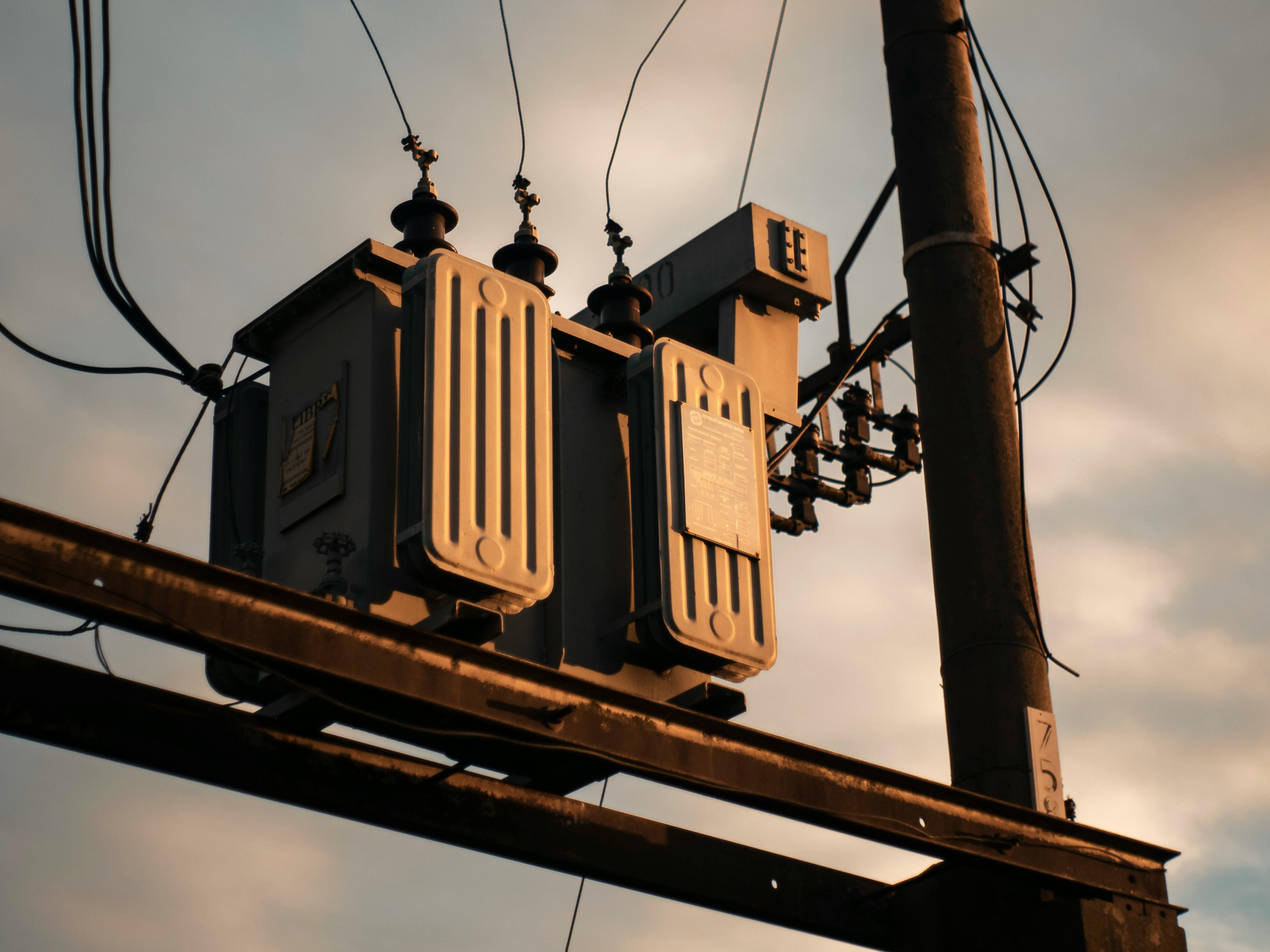
distribution transformers
medium power transformers
renewable energy transformers
industrial transformers
Because it offers a balanced combination of performance and cost, it is often selected for transformer designs where efficiency requirements are moderate but cost considerations remain important.
Manufacturing Characteristics of CRGO Steel
Producing grain oriented electrical steel requires a complex metallurgical process.
Typical production steps include:
steelmaking with silicon alloying
hot rolling
pickling
cold rolling
decarburization annealing
secondary recrystallization
insulation coating
The secondary recrystallization process is critical because it produces the grain orientation required for superior magnetic properties.
Only a limited number of steel mills worldwide possess the technology required to manufacture high-quality CRGO steel.
Standards and Testing Methods
Electrical steel grades are defined and tested according to international standards.
Common standards include:
IEC 60404 electrical steel standards
ASTM electrical steel specifications
GB/T grain oriented silicon steel standards
These standards define testing procedures for magnetic properties, thickness tolerances, and coating characteristics.
Standardized testing ensures consistent performance across transformer manufacturing applications.
How Engineers Choose CRGO Grades
Selecting the appropriate electrical steel grade involves balancing several factors.
Transformer designers typically consider:
core loss performance
material thickness
magnetic flux density
cost considerations
availability of supply
Higher efficiency transformers often use lower core loss grades.
However, cost considerations and project specifications may influence material selection.
For many transformer applications, 23Q90 provides a practical balance between performance and cost.
Industry Trends and Demand
The demand for electrical steel has been growing steadily due to increasing global electricity consumption.
Several trends are contributing to this growth:
expansion of renewable energy systems
growth of electric vehicle charging infrastructure
rising electricity demand from data centers
modernization of power transmission networks
As transformer efficiency becomes increasingly important, demand for high-performance electrical steel grades continues to rise.
Key Takeaways
23Q90 is a common grade of grain oriented silicon steel used in transformer cores.
The number 23 represents a thickness of approximately 0.23 mm.
The letter Q indicates grain oriented electrical steel.
The number 90 refers to the maximum core loss value of approximately 0.90 W/kg.
This grade provides a balance between magnetic performance and cost, making it widely used in distribution transformers and other electrical equipment.
FAQ
What does 23Q90 mean in electrical steel?
23Q90 is a grain oriented electrical steel grade where 23 represents the thickness (0.23 mm), Q indicates grain oriented steel, and 90 represents the maximum core loss value.
Is 23Q90 used in transformer cores?
Yes. 23Q90 is widely used in transformer core laminations for distribution and medium-power transformers.
What is the difference between 23Q85 and 23Q90?
23Q85 has slightly lower core loss than 23Q90, meaning it provides slightly better magnetic efficiency.
What thickness is 23Q90 electrical steel?
The nominal thickness of 23Q90 electrical steel is approximately 0.23 mm.