
Transformer steel thickness, CRGO thickness, core loss, eddy current loss, and energy efficiency explained in two minutes.
SEO:transformer steel、CRGO thickness、core loss、eddy current loss、energy efficiency
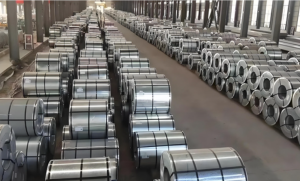
On June 22, 2026, India’s Directorate General of Trade Remedies (DGTR) officially launched a new anti-dumping investigation (Case No. AD(OI) 15/2026, Case ID: AD/OI/016/2026) targeting imports of Cold Rolled Grain Oriented Electrical Steel (CRGO) and Amorphous Metal (AM). The targeted origin countries include China PR, Japan, South Korea, and Russia, while the European Union has
In transformer core production, many buyers focus first on CRGO grade, core loss value, magnetic induction, and coating type. These are all important. However, one small detail is often overlooked during slitting and cutting: burr level. For transformer laminations, burrs may look minor, but they can affect stacking quality, interlaminar insulation, core loss, and long-term
A sheet of silicon steel, thinner than two A4 papers, is quietly holding back global AI giants. While engineers in Silicon Valley are still struggling to push the parameter limits of next-generation large models, an unexpected bottleneck has already emerged—not chips, not algorithms, but electricity. More precisely, it is the “heart” that delivers electricity safely
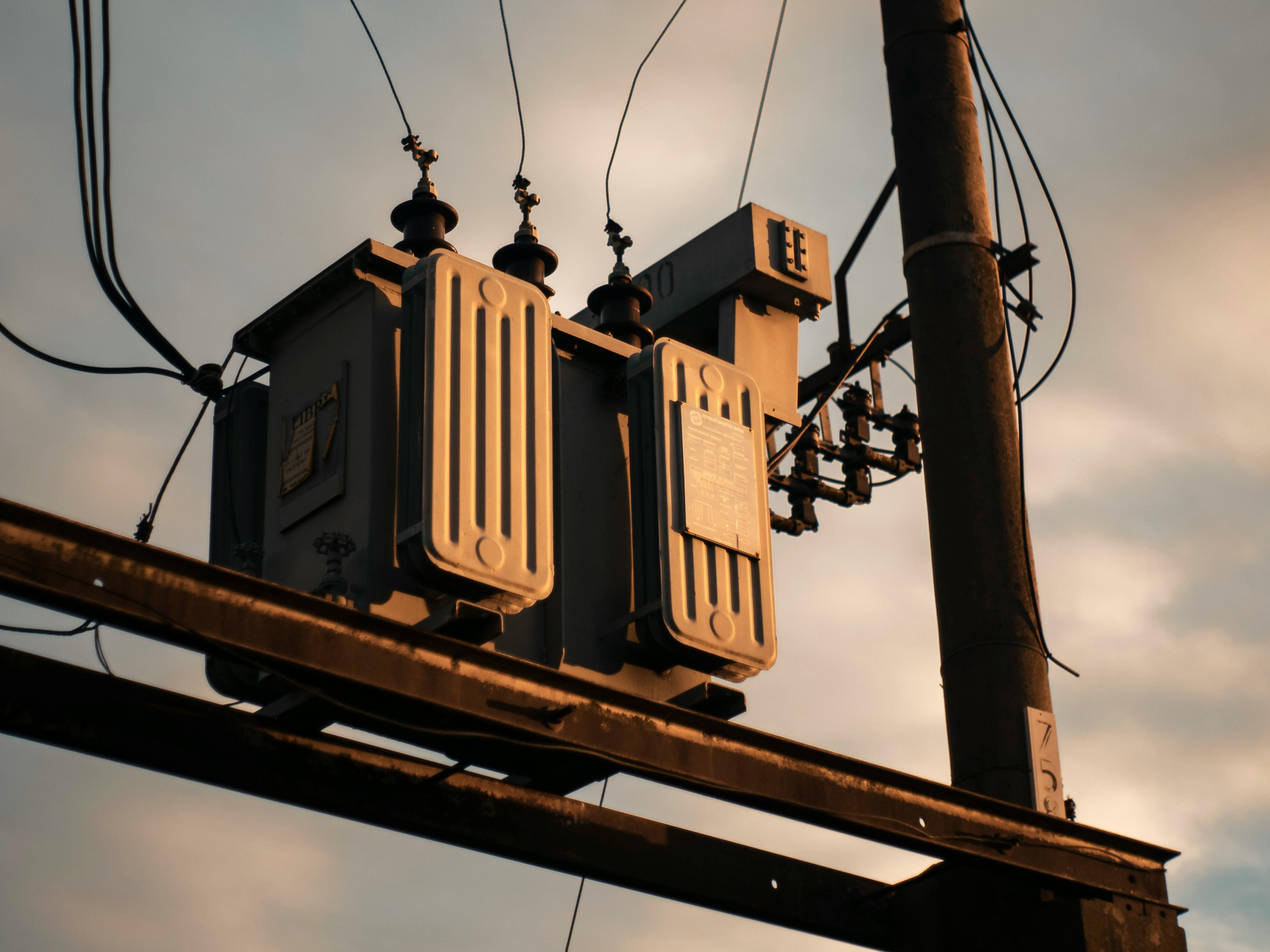
The world is entering a prolonged phase where power transformer supply simply can’t keep up with demand. This isn’t a short-term demand spike. Instead, it’s a full-blown capacity, delivery, and labor crunch. Grid upgrades, generation growth, and surging data center loads are all falling behind schedule because of it. According to the Zhuifeng Trading Desk, analyst