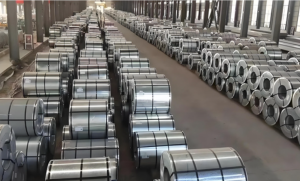
Turkey, a key player in the global steel market, is facing rising tensions in its steel sector. For those involved in the steel trade or production, it’s time to pay close attention to the unfolding situation.
The Red Flags Raised by Turkey’s Steel Producers
Several major steel producers in Turkey are sounding alarms and urging the government to take immediate action against what they describe as an influx of unfairly priced and subsidized steel imports.
Let’s break down the situation:
The Root Cause: “An Unequal Battle”
According to Turkish steel manufacturers, their local market is being flooded with cheap steel from countries like China, Russia, India, and other parts of the Far East. Here are the key points they are raising:
- Unfair Competition: The imported steel isn’t just cheap—it’s often subsidized by the governments of exporting countries. This allows foreign steel to be sold at prices that local Turkish manufacturers cannot match, leading to an unfair competitive environment.
- Idle Factories: Despite having a massive steel production capacity of around 60 million tons, local factories are operating below capacity or even sitting idle. The influx of cheap imports has significantly reduced local demand, wasting resources and posing a threat to jobs.
- Investment Paralysis: With steel producers unable to sell their current production, they are hesitant to invest in new, modern production facilities or upgrade their existing plants. The pressure from imports is driving away investment, which is critical for the long-term growth and modernization of the sector.
The figures are alarming. Since 2020, imports of steel from China alone have skyrocketed tenfold—a dramatic surge that’s hard to ignore.
A Broader Economic Picture: Why Is This Happening Now?
While this is a pressing issue for Turkey, it’s also a reflection of global economic trends. When major economies like China experience slowdowns in domestic construction and manufacturing, their steel mills don’t simply shut down. Instead, they seek new markets for their excess production, often at aggressive pricing. Turkey, with its established industrial base and strategic geographic location, becomes an attractive target for these exports.
This situation creates a difficult dilemma for the Turkish government:
- Protecting the Local Industry: The government could impose tariffs or quotas to make imported steel more expensive. This would help local manufacturers, protect jobs, and encourage domestic investment.
- Balancing Consumer Needs: On the other hand, cheap imported steel benefits Turkey’s construction companies, automakers, and appliance manufacturers, allowing them to reduce costs. Protecting the domestic steel industry could result in higher prices for these other sectors, creating a tough balancing act for policymakers.
The government’s next move will be crucial, and it will have wide-ranging consequences.
Global Implications: What Does This Mean for the Steel Market?
This issue in Turkey doesn’t just stay in Turkey. The ramifications will be felt across the global steel market, and here’s what that could mean:
- Price Fluctuations: If the Turkish government introduces tariffs, the price of steel within the country will likely rise. This could also affect Turkish steel exports, as local competition will diminish. Buyers from Turkey should be prepared for potential price hikes.
- Shifting Supply Chains: Should Turkey restrict imports, the steel from China, Russia, and India will need to find alternative markets. This could lead to more competitive offers (i.e., lower prices) in other regions like the Middle East, Europe, or Southeast Asia, triggering a global supply chain reshuffling.
- Increased Trade Tensions: Protectionist measures often provoke retaliation. We could see a rise in trade disputes, leading to greater uncertainty in the global market.
The Data Speaks for Itself
The latest statistics strengthen the concerns voiced by Turkish steel producers. Recent reports show that Turkey’s steel production dropped by 0.9% to 21.48 million tons in the first seven months of the year. Even more concerning is the 12.5% decline in pig iron production—a critical raw material for steel. These figures suggest that the initial stages of production are slowing down significantly.