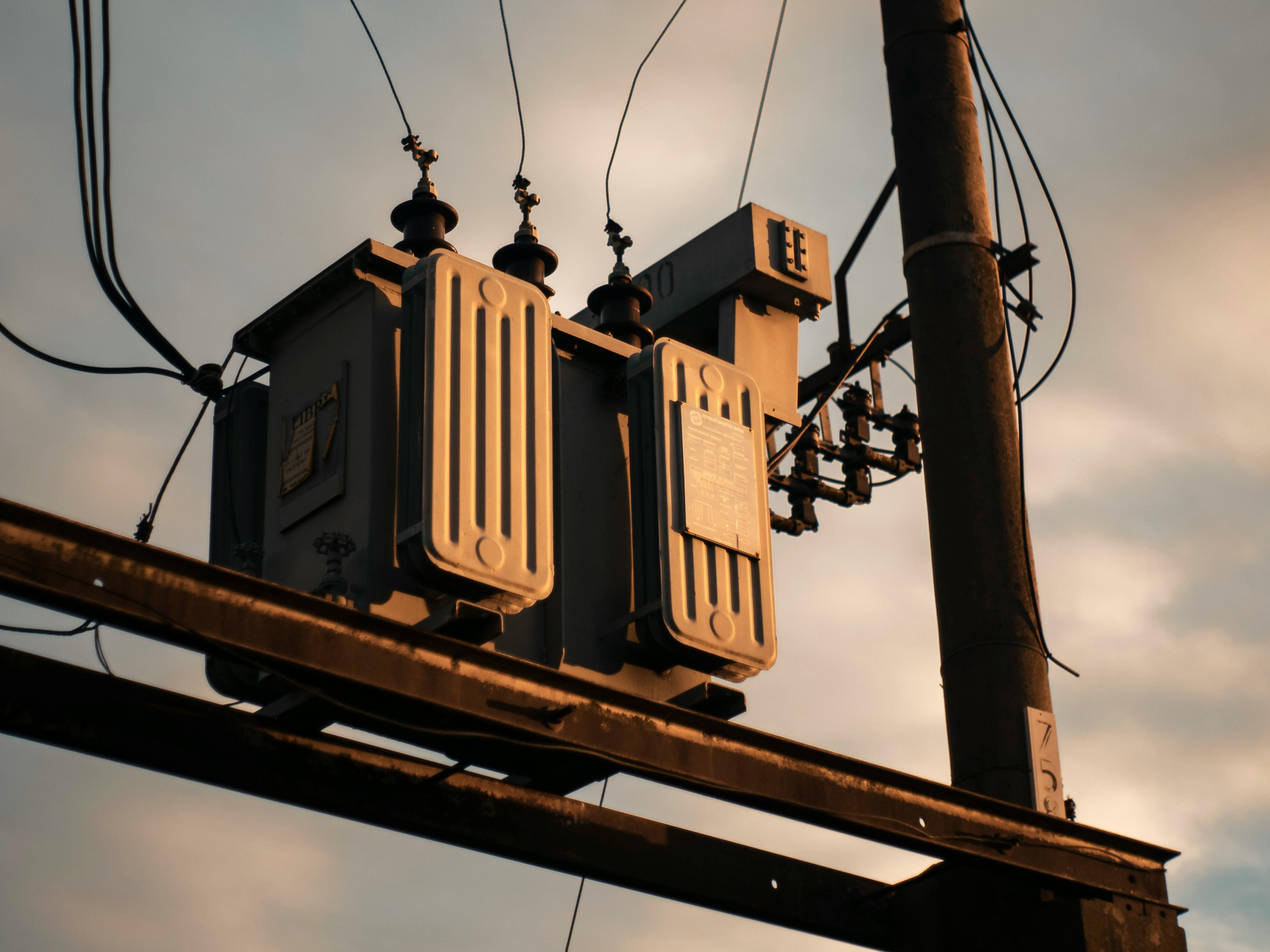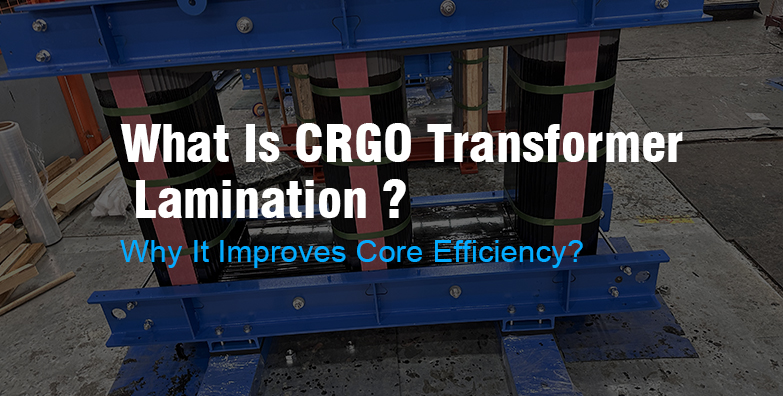
Transformers play a vital role in delivering stable electrical power, and their performance depends heavily on the materials used in the core. Among all options, CRGO transformer lamination remains the preferred choice because its grain-oriented structure offers low core loss, high magnetic permeability, and better efficiency.
In this article, we walk through the manufacturing process step by step—from electrical steel composition to silicon steel stamping—and explain how each stage contributes to transformer efficiency.
Step 1: Choosing the Right Electrical Steel Composition
A high-performance transformer core starts with the right electrical steel composition.
CRGO (Cold Rolled Grain Oriented) electrical steel is made with a controlled mix of iron and silicon. As a result, it delivers:
- Low hysteresis loss
- High magnetic permeability
- Reduced energy consumption in power transmission
Because the grains are aligned in one direction, CRGO steel performs better than standard electrical steel.
Step 2: Cold Rolling and High-Temperature Annealing
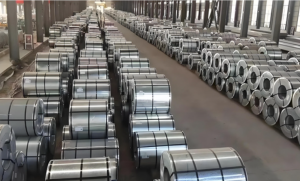
After selecting the raw material, manufacturers refine the steel through a cold rolling process to control thickness and improve grain structure.
Next, the steel goes through high-temperature annealing to:
- Release internal stress
- Enhance magnetic performance
- Strengthen grain orientation for lower loss
This stage ensures the steel becomes reliable transformer core steel with consistent efficiency.
Step 3: Precision Silicon Steel Stamping and Cutting
Once processed, the material is cut into laminations using silicon steel stamping or laser cutting for higher accuracy. These precise cuts:
- Reduce material waste
- Keep lamination shapes consistent
- Improve stacking and core alignment
Since different transformers require different lamination shapes, cutting precision directly influences efficiency.
Step 4: Applying Insulation Coatings
To further reduce eddy current losses, each lamination receives an inorganic insulation coating.
This layer prevents electrical contact between laminations and withstands heat and mechanical stress, helping improve core durability.
Step 5: Core Assembly with Step-Lap or Mitred Techniques
Next, laminations are stacked into a full core. Many manufacturers now use automated equipment for better alignment.
Two common assembly methods include:
- Step-lap joints to reduce air gaps
- Mitred joints to improve magnetic flux flow
Because alignment affects magnetic paths, proper assembly helps reduce transformer core losses.
Step 6: Final Stress-Relief Annealing
Cutting and stacking can introduce tension into the metal. To solve this, the core undergoes a final stress-relief annealing cycle, restoring grain structure and lowering core losses even further.
Step 7: Quality Testing and Performance Verification
Before shipment, transformer cores go through:
- Magnetic property tests
- Core loss measurements
- Structural integrity checks
These tests ensure CRGO transformer lamination performs efficiently throughout its service life.
Why CRGO Transformer Laminations Matter
Using CRGO core transformer materials brings three key benefits:
| Benefit | Impact |
|---|---|
| Lower core losses | Reduced hysteresis and eddy currents |
| Higher permeability | Better efficiency and less heat |
| Improved durability | Insulation coating and final annealing extend lifespan |
Thanks to advancements in silicon steel stamping and modern manufacturing, today’s transformers deliver power more efficiently while supporting long-term energy sustainability.