Over the past two years, discussions around AI have largely focused on computing power, chips, and algorithms. Yet behind every large-scale AI deployment lies a less visible but equally critical foundation: electrical power infrastructure.
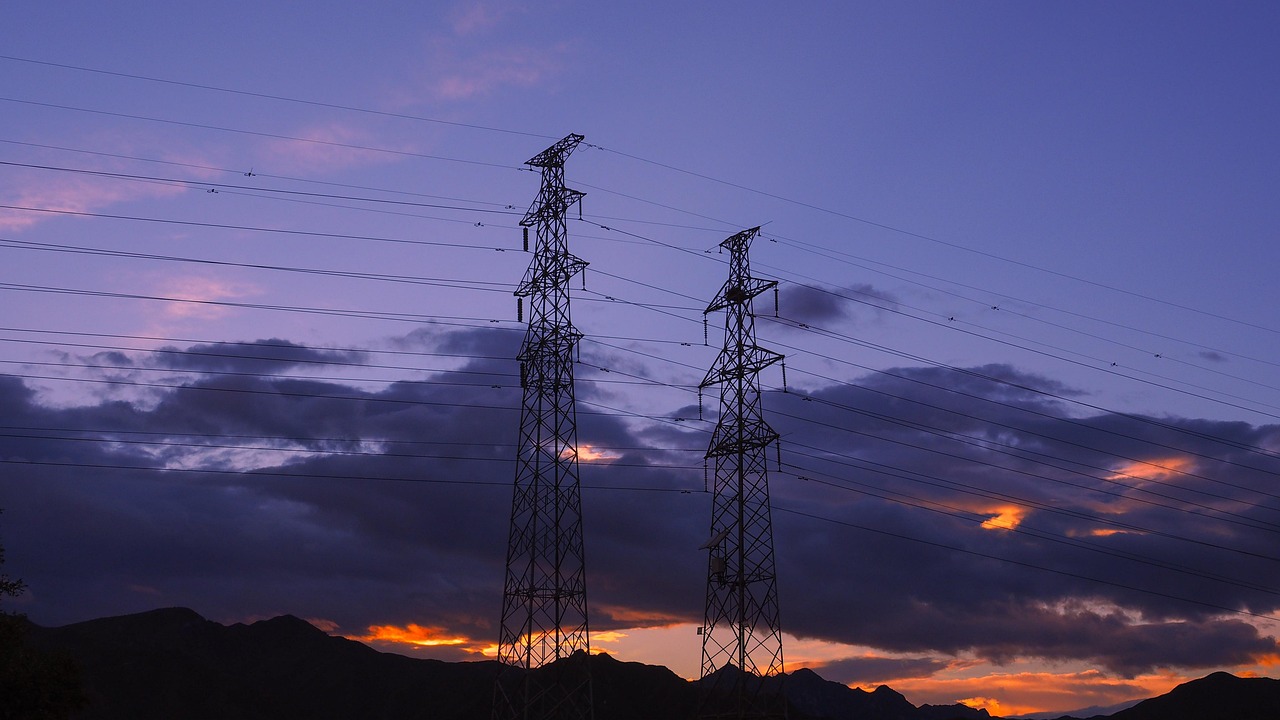
As AI data centers continue to scale up, the pressure they place on power grids and transformers is becoming increasingly apparent. This shift is not driven by technology hype, but by basic physical realities — energy consumption, heat generation, and long-term operational efficiency.
AI Data Centers Are Power-Intensive by Design
Unlike traditional data centers, AI-oriented facilities operate under sustained high loads. Training large models and running continuous inference workloads require:
- High-density server clusters
- Continuous, stable power input
- Minimal tolerance for voltage fluctuation or downtime
As a result, AI data centers often consume significantly more electricity per square meter than conventional facilities. This creates new challenges not only for utilities, but also for the transformers and substations supporting these sites.
From Grid Expansion to Transformer Demand
To support this growing demand, power grids are being reinforced at multiple levels:
- New substations near data center clusters
- Upgraded transmission capacity
- Higher requirements for transformer reliability and efficiency
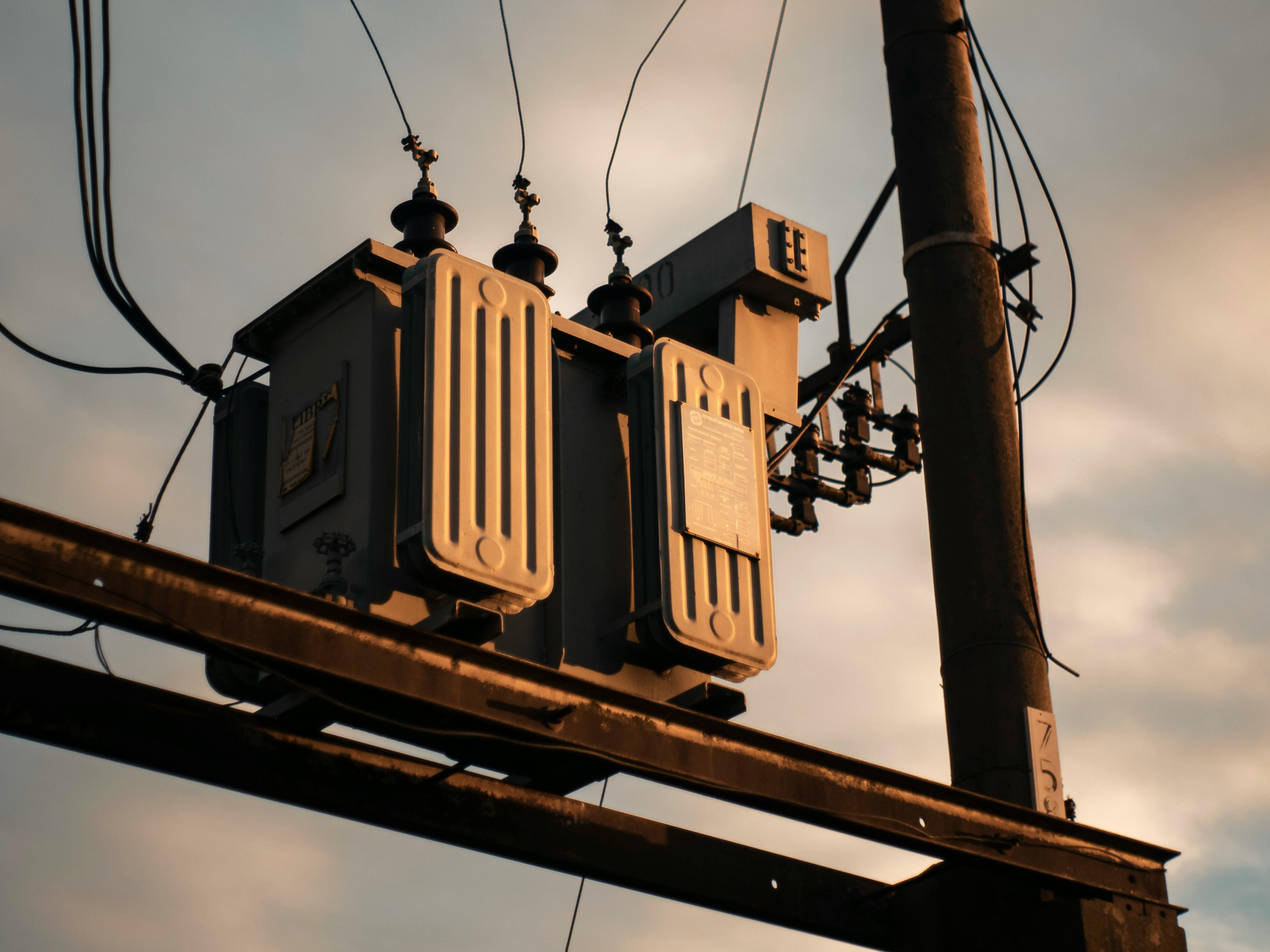
Transformers serving data centers are expected to operate continuously, often close to rated capacity. In such conditions, no-load loss and long-term energy efficiency become critical design considerations, not secondary metrics.
Even small reductions in core loss can translate into meaningful energy savings over the transformer’s operating life.
Why Core Loss Matters More Than Ever
In high-duty-cycle environments like AI data centers, transformers rarely operate at light load. This makes core loss a permanent, accumulated cost, affecting:
- Operating expenses
- Cooling system requirements
- Overall energy efficiency targets
Lower core loss does not simply improve efficiency on paper — it directly reduces heat generation, improves system stability, and supports long-term sustainability goals increasingly demanded by regulators and customers alike.
This is why transformer designers and core manufacturers are placing renewed emphasis on electrical steel selection.
Electrical Steel Under Higher Scrutiny
For transformer cores used in data center applications, material consistency and performance stability are as important as nominal loss values.
Key material considerations include:
- Stable P1.7/50 performance across production batches
- Tight thickness and flatness control
- Reliable magnetic permeability under continuous operation
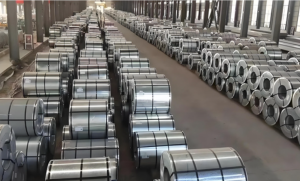
In practice, this has led to broader use of low-loss CRGO grades, particularly in thinner gauges such as 0.23 mm, where reduced lamination thickness helps minimize eddy current losses.
Grades in the 23Q and 27Q series, commonly used in distribution and power transformers, are increasingly evaluated not just by name, but by their actual loss range, processing quality, and long-term behavior in service.
Data Centers and the Shift Toward Efficiency-Driven Design
As energy costs rise and sustainability targets tighten, data center operators are becoming more involved in upstream equipment decisions. Transformer efficiency, once a purely technical specification, is now part of broader conversations around:
- Carbon footprint reduction
- Energy usage effectiveness (EUE)
- Lifecycle cost management
This shift reinforces a simple reality: materials matter. Electrical steel quality directly affects transformer performance, which in turn impacts the operational profile of the entire data center.
Looking Ahead
AI may be software-driven, but its physical footprint is unmistakable. Power grids, transformers, and core materials are all being pushed to operate harder and longer than before.
As data center infrastructure continues to expand, the demand for reliable, low-loss transformer cores will only increase. Understanding how material choices influence long-term performance is becoming essential — not just for manufacturers, but for everyone involved in the power value chain.
DLS CRGO supplies grain-oriented electrical steel solutions designed to support stable, low-loss transformer core performance across a wide range of applications.