Many engineers and buyers often assume that transformer steel with higher silicon content automatically delivers better performance. However, this is not entirely true. The silicon content itself does not determine transformer quality as much as the difference between grain oriented silicon steel (GO steel) and non-oriented electrical steel, as well as the manufacturing process used to build the transformer core.
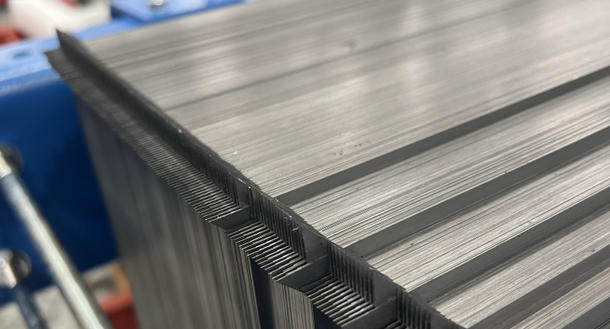
Even when two cores use the same grade of transformer steel, poor processing can cause large performance gaps—sometimes as much as 40–50%.
For example:
- A well-processed core, with proper heat treatment, may reach 15,000 Gauss with only 10 mA of magnetizing current.
- A poorly treated core may require 50 mA to reach the same flux density.
This huge difference affects iron loss, magnetizing current, and saturation characteristics. Therefore, core quality is evaluated mainly through magnetizing current, core loss, and saturation parameters.
Does a Toroidal Transformer Become Low-Quality if the Silicon Steel Strip Is Spliced?
Not necessarily. In toroidal transformer cores—usually made from CRGO steel—splicing can be acceptable as long as the process is controlled. Each splice introduces a potential leakage point, so the number of joints should ideally be limited to 2–3.
All splice areas must undergo proper surface treatment such as acid cleaning.
However, for high-end audio and Hi-Fi transformers, manufacturers generally prefer non-spliced silicon steel transformer cores, because they offer the best magnetic continuity and lowest noise.
What Should You Know About Transformer Steel Materials?
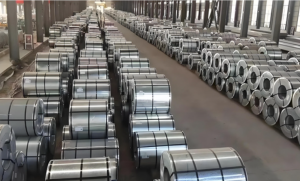
Because silicon steel has low loss under alternating magnetic fields, it is the preferred magnetic material for transformer cores. Transformer steel can be categorized into:
1. Hot-Rolled Electrical Steel
This type has relatively lower performance. Common grades include D41, D42, D43, and D301.
2. Cold-Rolled Electrical Steel (CRGO and CRNGO)
Cold-rolled steel offers higher magnetic permeability and lower loss. It includes:
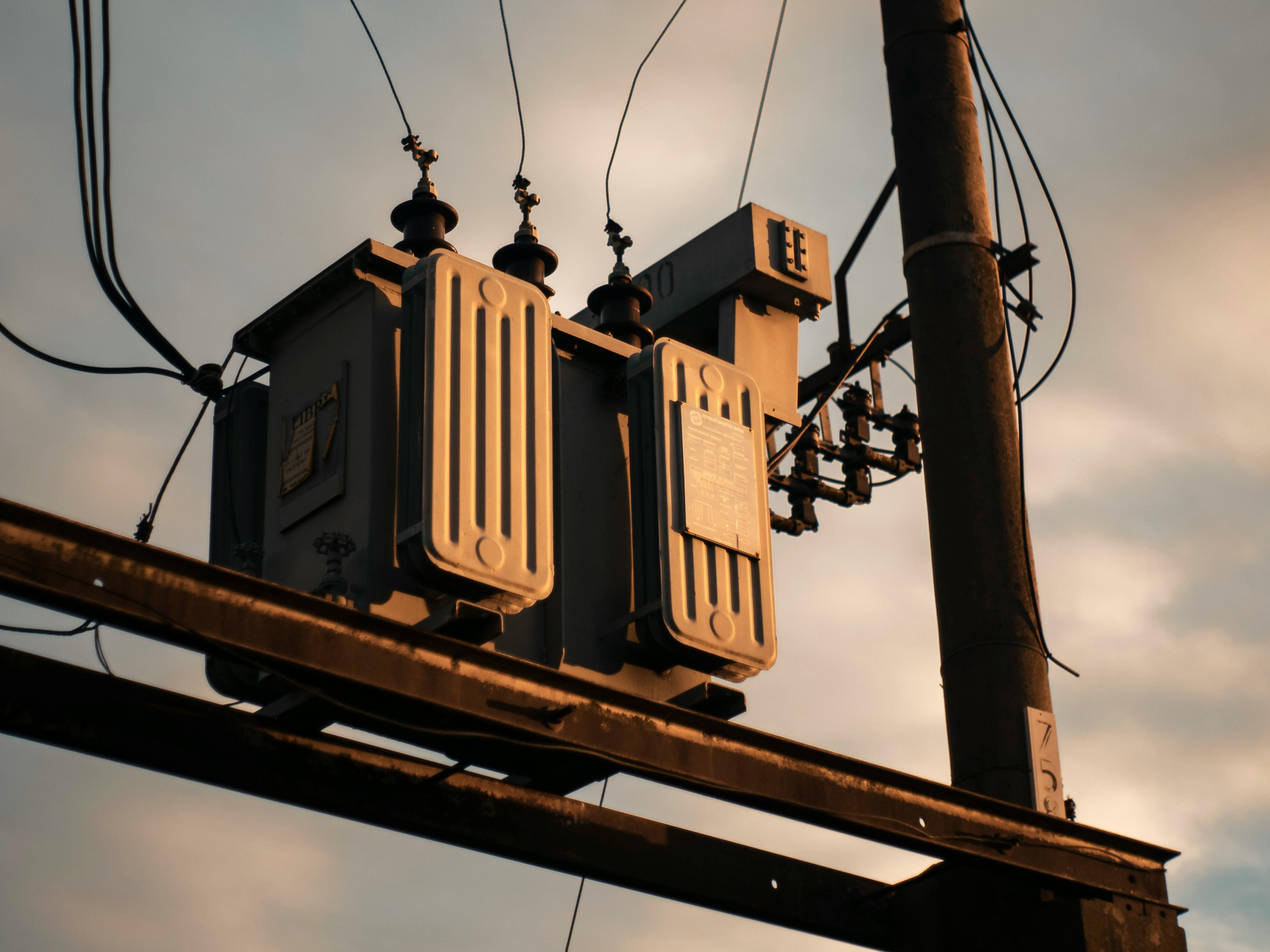
- Grain Oriented Silicon Steel (CRGO steel) – used in power transformers, toroidal cores, C-cores
- Non-Grain Oriented Steel (CRNGO) – used for motors and rotating machinery
For standard EI transformers, silicon steel sheets are punched into 0.35–0.5 mm E and I laminations, heat-treated, and inserted into the winding assembly. These commonly use hot-rolled electrical steel.
Toroidal and C-core transformers, on the other hand, are typically made from cold-rolled grain oriented silicon steel wound into shape. C-cores are then heat-treated, impregnated, and cut.
This structure allows for higher efficiency and lower loss in finished transformer cores.
How Does Transformer Leakage Inductance Occur?
Leakage inductance is produced by magnetic flux that does not pass through both the primary and secondary coils. These flux lines form their own magnetic paths in the air.
Improving coupling between primary and secondary windings reduces leakage inductance.
Typical guidelines:
- A good transformer should have leakage inductance less than 1/100 of the primary inductance
- High-fidelity tube amplifier output transformers should achieve less than 1/500
Looking for Premium Transformer Core Steel? Choose DLS CRGO.
If you need high-quality grain oriented silicon steel, CRGO transformer steel, or custom-processed transformer core steel, DLS CRGO offers reliable, fast, and flexible solutions:
- Premium high-permeability grain oriented silicon steel
- Custom slitting and width options
- Sample coils and small-batch production
- Stable loss values and consistent insulation coating
- Materials suitable for EI cores, toroidal transformer cores, and C-cores
👉 Enhance your transformer efficiency, reduce losses, and stabilize performance.
Contact DLS CRGO for technical data, quotations, or customized processing services.