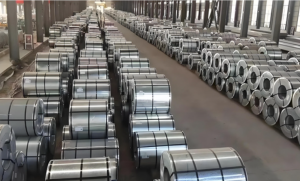
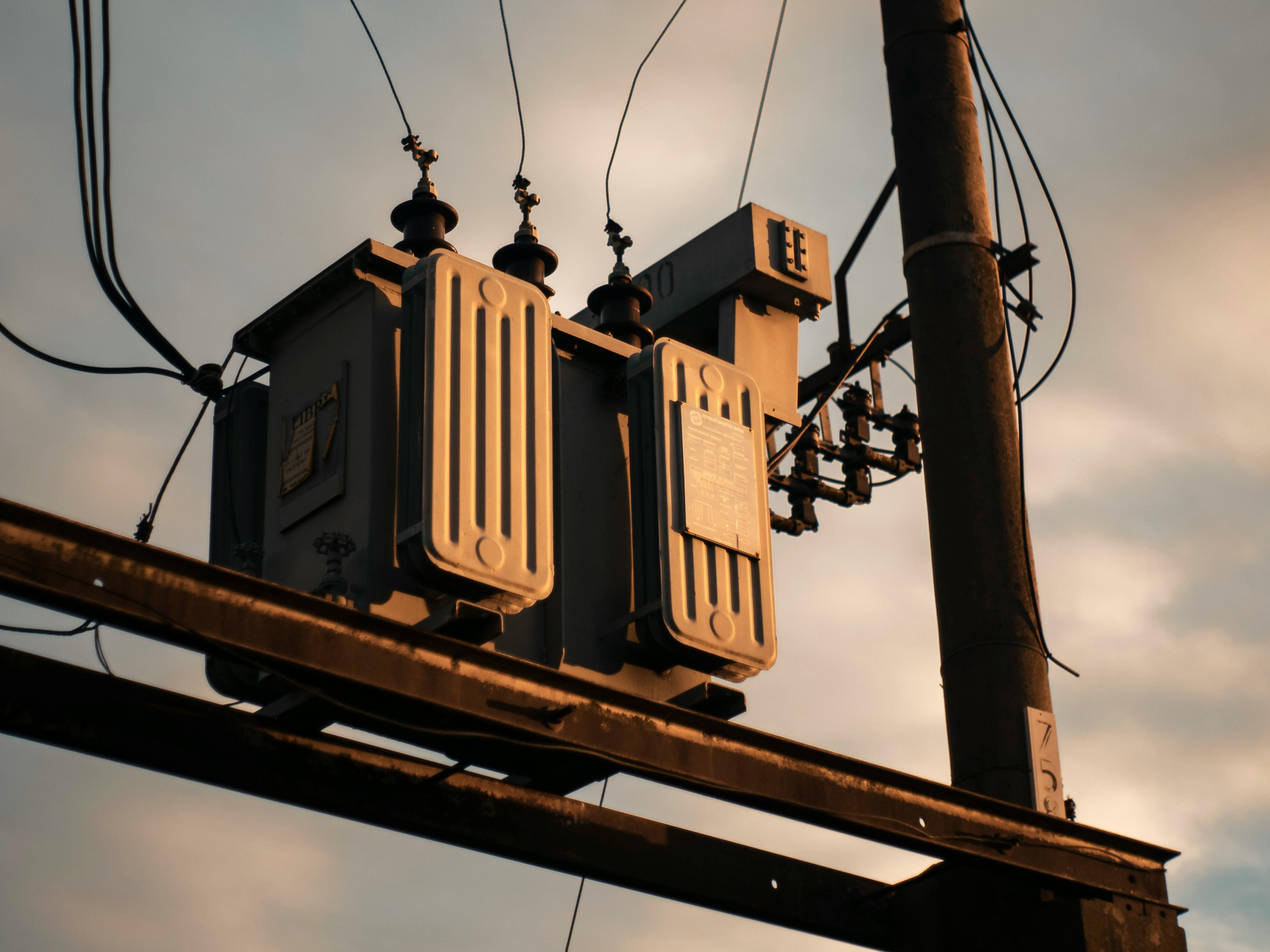
Transformer laminations may look like simple metal sheets, but they have a huge impact on how efficiently a transformer performs. By using high-quality silicon steel and advanced CRGO transformer lamination, manufacturers can cut energy loss, reduce heat, and keep power systems running smoothly. DLS CRGO focuses on producing reliable, high-grade oriented silicon steel that helps transformers deliver better performance with lower operating costs.
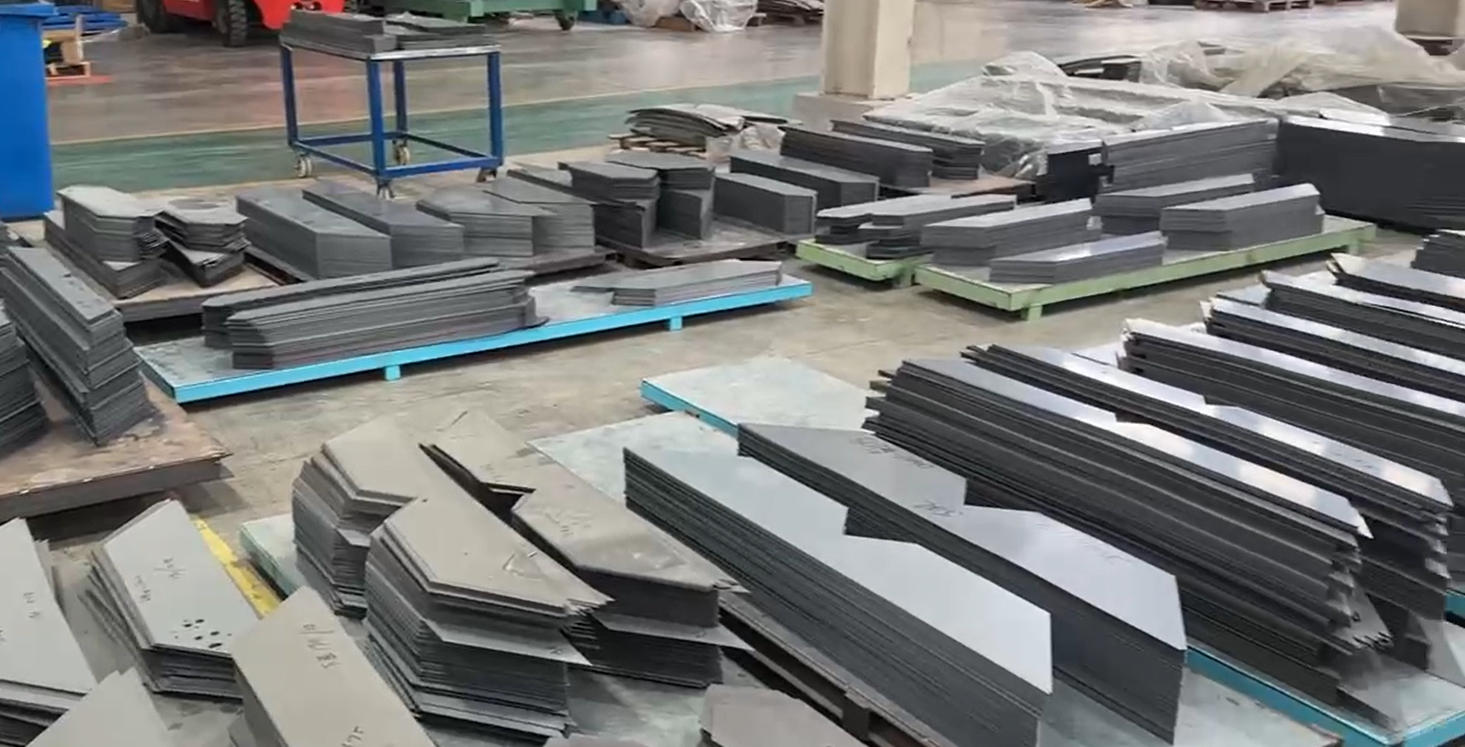
Why Laminations Matter in Transformer Design
Every transformer is built to move electricity from one point to another, but not all of them do it efficiently. A major reason for poor performance is energy loss inside the core. When electricity passes through a solid metal core, it creates unnecessary heat and wasted power.
To solve this problem, modern transformers use laminations—thin layers of silicon steel stacked together. This layered structure reduces the unwanted currents inside the core and limits the heat they create. The result:
- Less wasted energy
- Lower operating temperature
- Higher overall efficiency
What Makes CRGO Steel So Effective?
CRGO steel (Cold Rolled Grain Oriented electrical steel) is widely recognized as the most efficient material for transformer cores.
Grain Orientation for Better Magnetic Flow
The grains in CRGO steel are aligned in one direction, allowing magnetic flux to travel more easily through the material.
Low Core Loss
CRGO transformer lamination significantly reduces hysteresis loss, helping transformers save energy during every magnetic cycle.
High Permeability
High permeability allows the core to carry magnetic flux more efficiently, reducing heat and improving performance.
Ultra-Thin Laminations
Thinner laminations minimize eddy currents, one of the biggest contributors to energy loss in transformers.
How Laminated Core Transformers Reduce Losses
Transformers experience two major types of losses that laminations help address:
Eddy Current Loss
Solid metal cores allow circulating currents to form inside the steel, wasting energy as heat. Thin laminations break these circulating paths and keep losses much lower.
Hysteresis Loss
Every time the magnetic field reverses direction, steel particles resist the change. High-quality silicon steel reduces this resistance and helps the transformer work more efficiently.
Both improvements make laminated core transformers more reliable and energy-efficient for industrial, commercial, and residential applications.
Why Material Quality Defines Transformer Performance
Even the best transformer design cannot perform well without high-quality materials. Electrical steel manufacturers play a key role by providing steel with:
- Strong magnetic properties
- Advanced insulation coatings
- Precise cutting tolerances
DLS CRGO specializes in grain oriented silicon steel, transformer core steel, electrical steel, and other high-performance materials to help manufacturers build transformers that meet modern efficiency standards.
A Key Component for a Sustainable Power Grid
As the world demands cleaner and more efficient energy systems, transformer performance becomes more important than ever. High-quality silicon steel transformer core materials help:
- Reduce power losses
- Lower carbon emissions
- Minimize strain on the grid
- Extend transformer lifespan
CRGO transformer lamination plays a vital role in achieving these sustainable energy goals.
Conclusion: Small Sheets, Big Impact
Transformer laminations may be thin, but their impact on energy performance is huge. With advanced CRGO steel and reliable silicon steel from DLS CRGO, transformers can run cooler, last longer, and deliver more efficient power distribution.
Behind every reliable power system, transformer laminations quietly ensure that energy flows smoothly—and that the future of power delivery becomes more efficient and more sustainable.