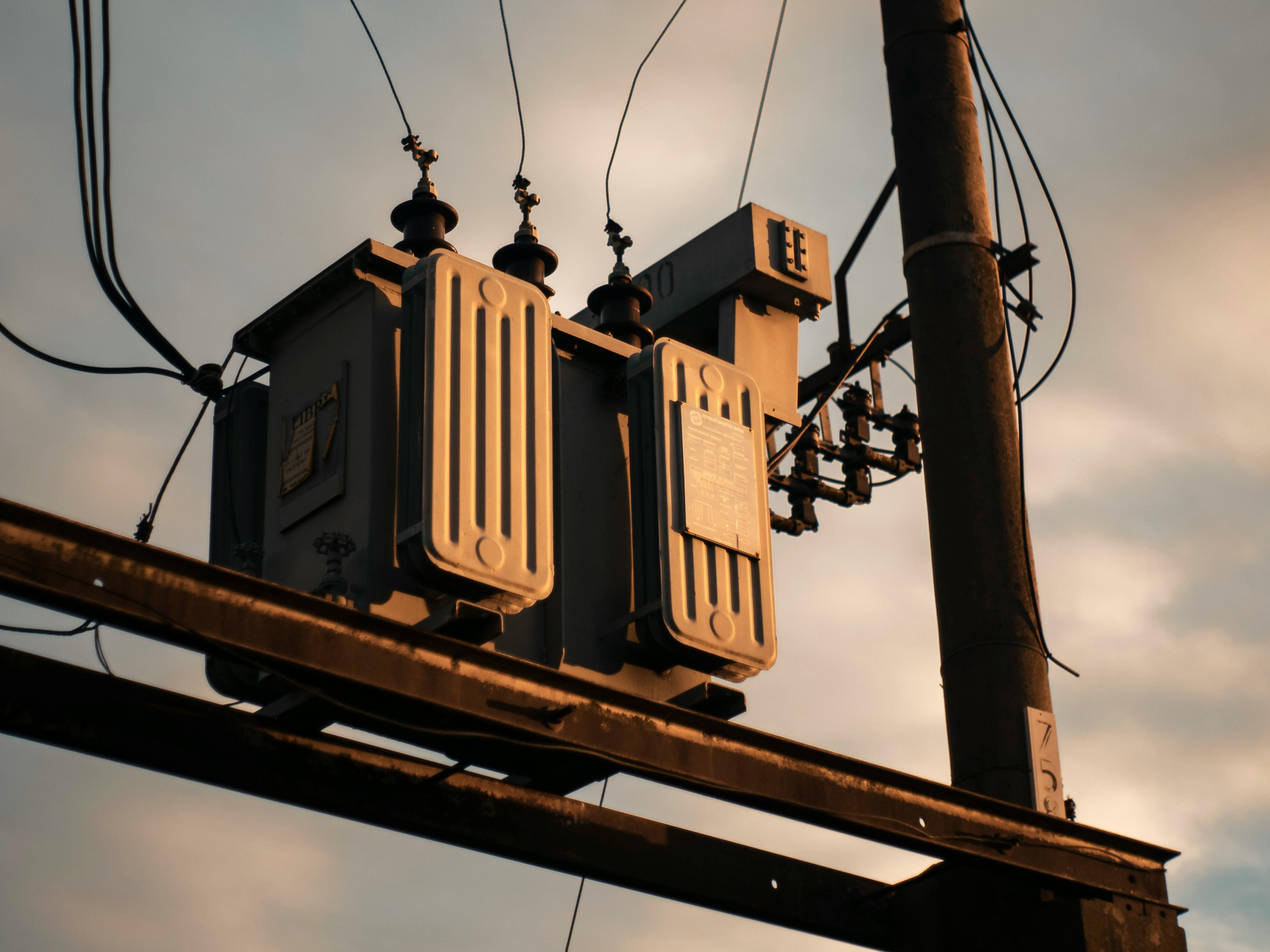
We use electricity all day, but few stop to consider how it reaches us. At the heart of this invisible system is the transformer, a device that efficiently steps voltage up or down to ensure safe and reliable power delivery. From power plants to phone chargers, transformers are everywhere, using grain oriented electrical steel to guarantee efficient energy transfer.
How Transformer Works Explained
It All Starts with Two Coils and One Core
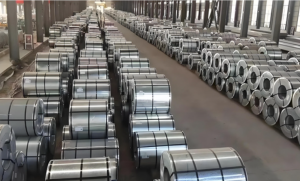
Transformers consist of two wire windings: the primary winding, which receives electricity, and the secondary winding, which sends it out. These coils aren’t physically connected. Instead, they wrap around a shared magnetic core, typically made of laminated steel or specialized alloys like high permeability steel to reduce energy loss. Without a core made from oriented silicon steel, much of the magnetic energy would be wasted.
How Magnetism Bridges the Gap
When alternating current (AC) flows through the primary coil, it creates a fluctuating magnetic field. This magnetic field flows through the core, usually made from grain oriented silicon steel, and induces a voltage in the secondary coil. The core channels magnetic flux from one coil to the other, enabling voltage transformation without direct contact. This process highlights the importance of transformer core steel for efficient energy transfer.
Step-Up vs Step-Down: How the Number of Turns Affects Voltage
The voltage change depends on the number of turns in each winding:
- If the secondary winding has more turns, the transformer increases voltage — a step-up transformer.
- If it has fewer turns, it reduces voltage — a step-down transformer.
This transformation allows high-voltage electricity to travel long distances before being reduced to safe levels for homes and devices. Transformer steel, especially CRGO steel, plays a pivotal role in improving the efficiency of this voltage transformation. As the demand for reliable electricity grows, these transformers become increasingly crucial for modern infrastructure.
Why the Transformer Core Matters
Not Just Metal — It’s Magnetic Engineering
The core does more than just hold the coils in place. It amplifies and focuses magnetic fields, making the voltage transfer between coils more efficient. Without a core made from silicon steel transformer core, much of the magnetic energy would be lost, and the transformer wouldn’t work nearly as well. The materials used in the core, particularly electrical steel, are crucial for the transformer’s overall performance and efficiency.
Types of Transformer Cores and Their Purpose
The choice of core affects transformer performance, particularly regarding energy loss and efficiency. Here are some common core types:
- Laminated Steel Cores: Often used in power transformers, they reduce eddy current losses by using thin layers of grain oriented silicon steel instead of a solid block. This makes them ideal for high-efficiency power transmission.
- Toroidal Cores: These donut-shaped cores are compact and ideal for low-noise, high-efficiency applications.
- Ferrite Cores: Used in high-frequency transformers, such as those in electronics and mobile chargers, where minimizing energy loss is critical.
These core materials are engineered for different electrical loads, optimizing transformer performance across various applications.
The Unsung Hero of Electrical Engineering
Transformers are silent, reliable, and essential. They don’t just move electricity — they manage voltage, reduce energy loss, and help make our electrical infrastructure safe and scalable. The core of a transformer, often made from electrical steel, is what makes all of this possible, converting magnetic force into practical power delivery. This makes silicon steel a vital material in the field of electrical engineering.
Appreciate the Power of the Core Next Time You Flip the Switch
Next time you charge your phone or turn on the lights, remember the role of the transformer core. It’s a brilliant example of how smart engineering, using materials like CRGO steel and transformer steel, quietly powers our lives, one magnetic field at a time. As the demand for energy efficiency continues to rise, the importance of advanced transformer materials, such as high permeability steel and silicon steel transformer core, will only increase.