In the fields of electrical engineering and power transmission, cold-rolled grain-oriented (CRGO) and cold-rolled non-oriented (CRNGO) steel coils are two essential materials, playing a pivotal role in ensuring the efficiency of transformers and electric motors. Although both are silicon-iron alloys subjected to cold rolling, their magnetic properties and applications differ significantly. In this article, we explore the key differences between CRGO and CRNGO electrical steel and how to choose the right material for your application.
Understanding the Difference Between CRGO and CRNGO Steel Coils
Cold-Rolled Grain-Oriented Steel Coil (CRGO):
CRGO is a specialized electrical steel that undergoes a highly controlled manufacturing process, where the crystalline structure (grains) is aligned predominantly along the rolling direction. This alignment significantly improves its magnetic properties, resulting in low core loss and high permeability in the rolling direction (referred to as the “easy” axis). However, its magnetic properties are considerably weaker in the perpendicular direction. This directional superiority makes CRGO the preferred choice for transformer cores, where the magnetic flux follows a defined, unidirectional path.
Cold-Rolled Non-Oriented Steel Coil (CRNGO):
In contrast, CRNGO features a random crystalline grain structure within the plane of the material. This random orientation leads to isotropic magnetic properties, meaning the material’s magnetic behavior is uniform in all directions parallel to the sheet’s surface. This isotropic property makes CRNGO ideal for applications where the magnetic flux direction changes continuously, such as in rotating machinery and electric motors.
CRGO vs CRNGO: Key Advantages and Differences
| Feature | CRGO | CRNGO |
|---|---|---|
| Core Advantage | Extremely low core loss & high permeability along rolling direction | Consistent magnetic properties across all directions |
| Magnetic Behavior | Highly anisotropic (directionally dependent) | Isotropic (directionally independent) |
| Tensile Strength | Superior | Varies by grade, generally good |
| Surface Finish | Smooth, excellent polishing | Smooth, excellent flatness (aids stacking) |
| Rust Resistance | Excellent | Good, depends on coating |
| Critical Property | Ultra-low core loss crucial for transformer efficiency | Balanced magnetic performance essential for motor efficiency |
| Stacking Factor | Good | High (due to smooth surface & flatness) |
Product Specifications and Variations
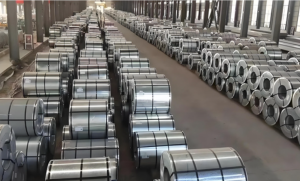
Both CRGO and CRNGO are available in coil form, which can be further slit or cut into sheets or laminations. The key specifications for both materials include:
- Thickness: Typically ranging from 0.23mm to 0.35mm, with thinner grades used for higher-frequency applications.
- Silicon Content: CRGO usually contains higher silicon content (around 3%), which enhances its electrical resistivity and reduces core losses. The silicon content in CRNGO varies based on the required magnetic performance grade.
- Grades: Both materials are defined by specific maximum core loss (measured in W/kg at a defined flux density and frequency) and minimum permeability levels. Higher-grade CRGO offers the lowest core losses commercially available.
Coatings and Insulation
Both CRGO and CRNGO require coatings that serve several key purposes, including electrical insulation between laminations (reducing eddy currents), corrosion protection, and sometimes surface lubrication during stamping. Common CRGO coatings include:
- Glass-type/Lite-Carlite: Used for wound cores, such as toroidal cores in distribution transformers.
- Carlite 3: Ideal for stacked cores in power and distribution transformers.
- D-Coating (Allegheny Ludlum): Used for wound cores.
- T-Coating (Allegheny Ludlum): Designed for stacked cores.
CRNGO coatings are applied after the final annealing process and are tailored for weldability, punchability, and the final application requirements (e.g., thermal stability, chemical resistance).
Manufacturing Processes: Achieving Grain Alignment
CRGO Manufacturing Process:
To achieve the desired grain orientation, CRGO undergoes a complex thermomechanical process:
Hot rolling to intermediate thickness.
Cold rolling to final thickness.
Decarburization annealing in a hydrogen/nitrogen atmosphere to remove carbon and prevent magnetic aging.
Application of an annealing separator (usually MgO-based).
Final purification annealing at temperatures near 1200°C, where secondary recrystallization occurs, producing a highly oriented structure.
Final insulating coating if required.
Temper rolling and stretcher leveling for flatness.
CRNGO Manufacturing Process:
The CRNGO process also involves cold rolling and annealing but is geared toward achieving a random grain structure:
Hot rolling.
Cold rolling to final gauge.
Continuous annealing at lower temperatures (~800-1100°C) in a hydrogen/nitrogen atmosphere.
Application of tailored insulating coatings.
Temper rolling and stretcher leveling for surface quality.
CRGO and CRNGO Applications
CRGO Core Applications:
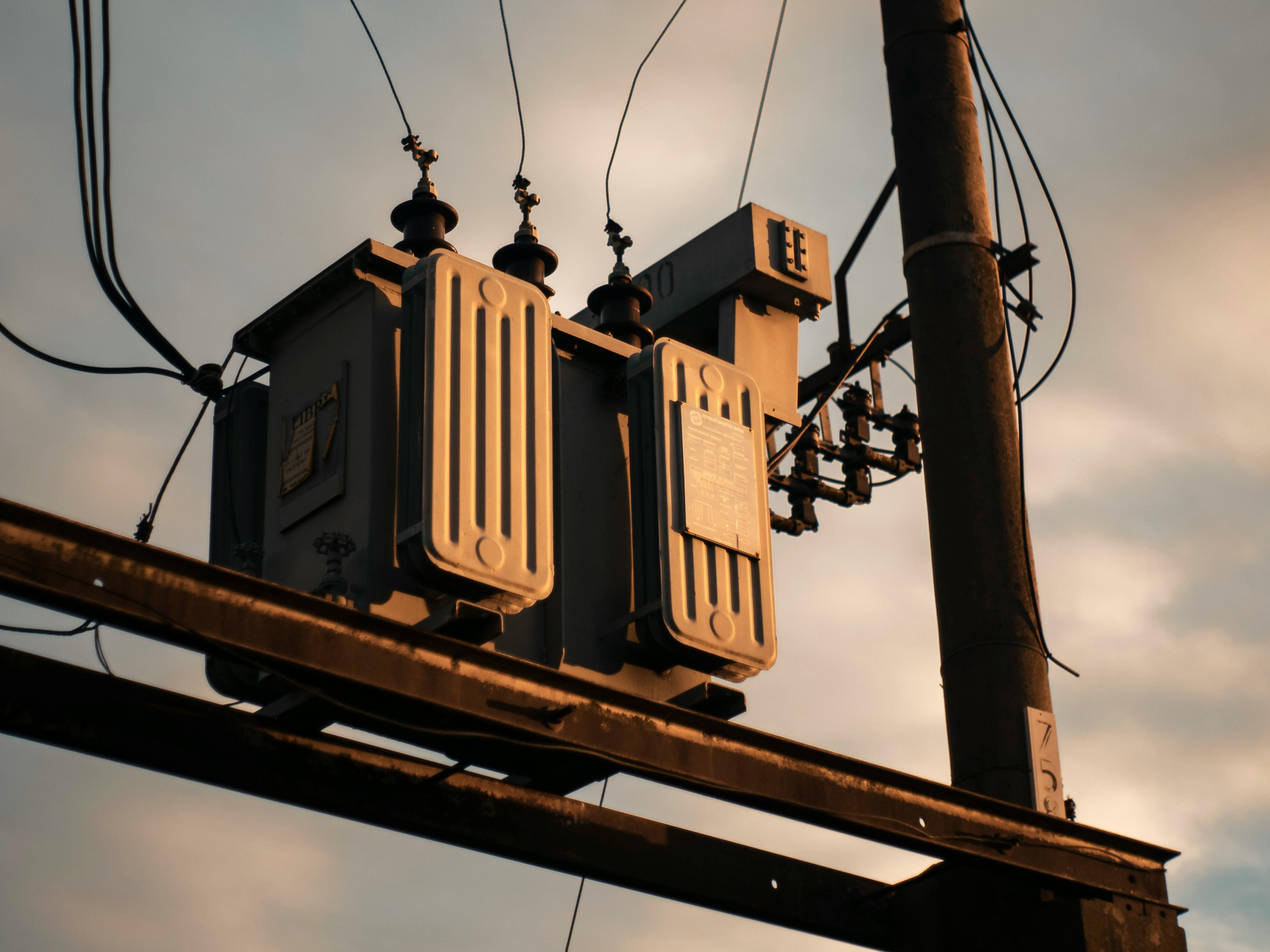
Transformer Cores: CRGO is widely used in power transformers, distribution transformers, and instrument transformers. Its ultra-low core loss and defined flux path improve energy efficiency by minimizing energy waste.
Wound Cores: Toroidal cores and C-cores used in distribution transformers benefit from specific CRGO coatings.
Static Devices: Where magnetic flux is predominantly unidirectional.
CRNGO Core Applications:
Electric Motor Cores: Used in electric motor laminations (both small and large), including the growing electric vehicle (EV) motor market. CRNGO’s isotropic magnetic properties are ideal for dynamic applications.
Generator Cores: Similar to electric motors, requiring consistent performance in all directions.
Small Transformers: Especially in applications with less directional flux or where cost is a major factor (CRGO tends to be more expensive).
Rotating Machines: Where the magnetic field direction changes rapidly, such as in electromagnetic devices.
Conclusion: Selecting the Right Steel for the Job
Both CRGO and CRNGO electrical steel coils are crucial in electrical and electromechanical applications. If your application demands the lowest core losses and highest permeability in one specific direction, CRGO (grain-oriented) is the preferred choice, particularly for transformer cores where the magnetic flux path is well-defined and unidirectional. The higher cost of CRGO is justified by its significant energy savings in transformer operations.
On the other hand, if your application requires consistent magnetic performance in all directions within the material plane, CRNGO (non-oriented) is the ideal material. It is commonly used in electric motors, generators, and electromagnetic devices where the magnetic field changes direction. CRNGO is cost-effective, easy to manufacture, and provides balanced performance.
By understanding the magnetic properties, grain structure, and optimal applications for each material, engineers, designers, and procurement professionals can make informed decisions to maximize efficiency, performance, and cost-effectiveness in electrical and electromechanical systems. Continued advancements in CRGO and CRNGO technologies are enhancing energy efficiency across the global power grid and in motor-driven applications.
Looking for high-quality electrical steel? Contact DLS CRGO immediately for expert guidance and top-quality materials tailored to your needs!