On June 22, 2026, India’s Directorate General of Trade Remedies (DGTR) officially launched a new anti-dumping investigation (Case No. AD(OI) 15/2026, Case ID: AD/OI/016/2026) targeting imports of Cold Rolled Grain Oriented Electrical Steel (CRGO) and Amorphous Metal (AM). The targeted origin countries include China PR, Japan, South Korea, and Russia, while the European Union has been excluded from the probe after a preliminary injury margin assessment.
Initiated based on the filing by JSW JFE Electrical Steel Private Limited — India’s sole eligible domestic CRGO producer for this investigation — the probe aims to examine alleged dumped imports and their material impact on the domestic electrical steel industry. Notably, this investigation is launched at a pivotal moment, as India’s power grid expansion, renewable energy rollout, data centre boom and industrial upgrading have driven unprecedented surging demand for high-performance transformer core materials.
Critical Note: This is only an investigation initiation, NOT a final anti-dumping duty imposition. The full probe process typically takes 6–12 months, with provisional or final duty decisions to be released in subsequent stages. Even so, the official announcement has already reshaped India’s transformer supply chain procurement strategies, pricing expectations and risk layouts for 2026–2030.
1. Official Probe Overview & Core Case Details
The anti-dumping investigation is governed by India’s Customs Tariff Act, 1975 and corresponding 1995 anti-dumping rules, following standard formal trade remedy procedures. All key factual information verified from the DGTR official notification is sorted below:
- Investigation Applicant: JSW JFE Electrical Steel Nashik Private Limited (the only qualified domestic industry participant; NLMK India is disqualified due to its association with Russian producers and import business attributes)
- Targeted Products: CRGO (silicon content 0.6%–6%) and Amorphous Metal (AM), core materials for power and distribution transformer manufacturing, covering HS tariff items 7225 1100, 7226 1100, 7226 9930 and associated codes
- Investigation Period (POI): April 1, 2025 – March 31, 2026 (injury assessment retrospectively covers April 1, 2022 onwards)
- Dumping Validity: DGTR confirmed prima facie dumping margins above the de minimis threshold for all four targeted countries
- Special Application: The applicant has requested retrospective imposition of anti-dumping duties for up to 90 days prior to any provisional duty issuance
- Stakeholder Response Window: All exporters, importers, end-users and relevant institutions have 37 days from the circulation of non-confidential application documents to submit questionnaire responses via the official SETU portal
For normal value calculation, China is treated as a non-market economy. Due to the unavailability of reliable third-country market data, the normal value is constructed based on India’s domestic production cost plus reasonable profit. The same calculation methodology is applied to Japan, South Korea and Russia due to insufficient comparable public pricing data.
2. Why CRGO & Amorphous Metal Are Indispensable for India’s Infrastructure
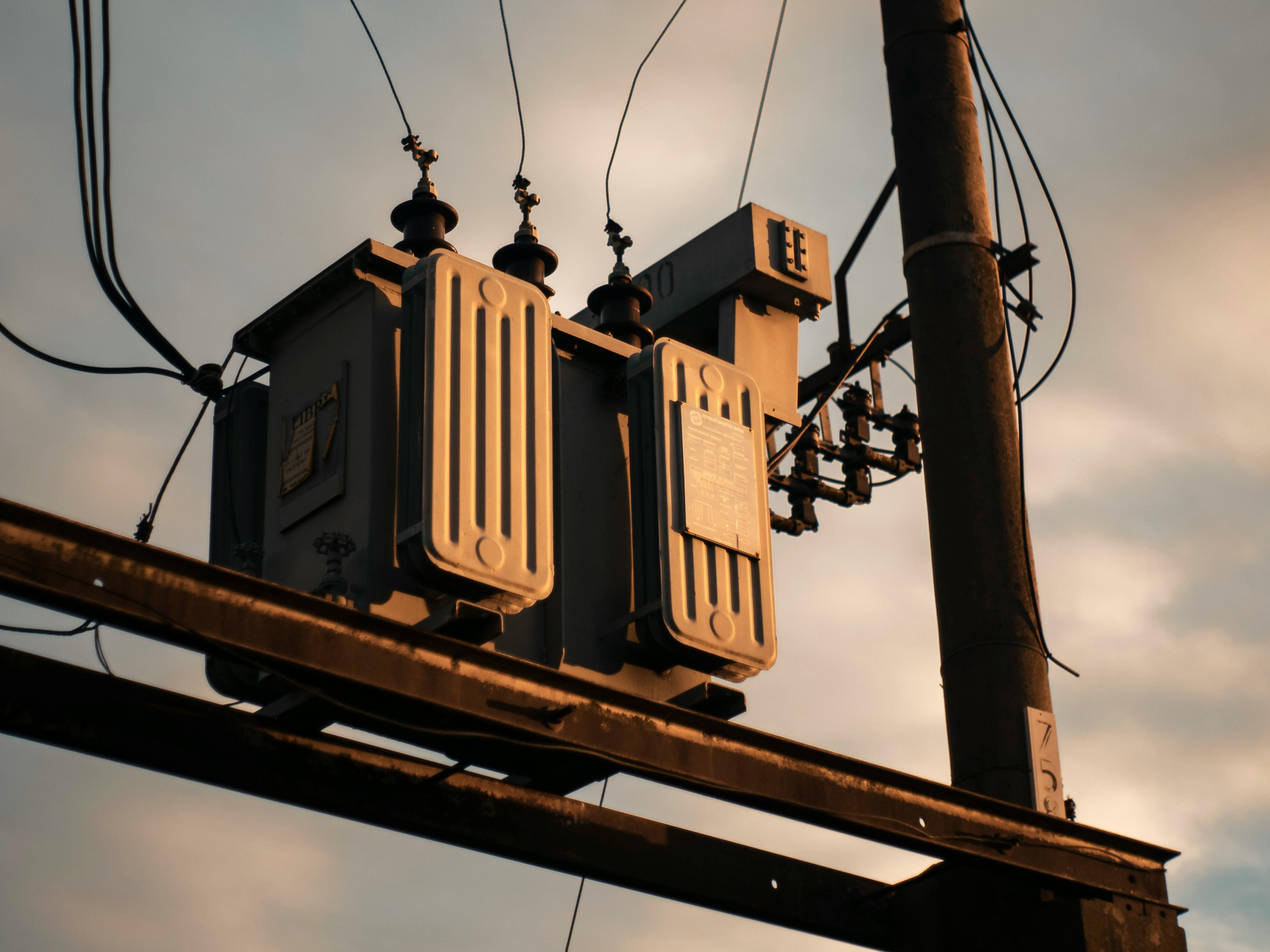
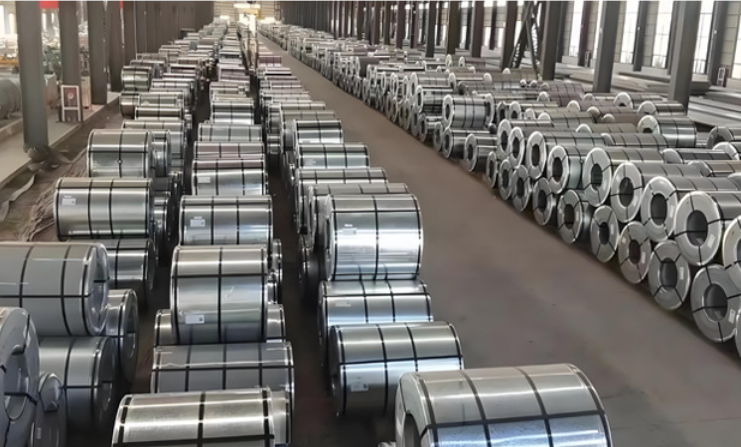
CRGO is a high-precision engineered electrical steel, not a common commodity. Its unique grain orientation structure enables ultra-low magnetic flux loss, which is irreplaceable for manufacturing high-efficiency power and distribution transformers. Amorphous Metal serves as a direct commercial substitute for CRGO transformer cores, widely used in high-end power equipment.
Currently, all core transformers in India’s national grid, substation upgrading projects and new energy power stations rely entirely on CRGO and AM materials. Compounding market demand, the Bureau of Energy Efficiency (BEE) issued a 2025 star-rating upgrade mandate for distribution transformers, requiring manufacturers to adopt high-permeability (HiB) grade CRGO to meet stricter energy-saving standards. This has formed a dual growth trend of rising total market demand and upgraded product specifications.
3. India’s CRGO Supply-Demand Structure: Persistent Structural Shortage
India’s CRGO market has long featured extreme import dependence, with domestic production far insufficient to support rapidly growing downstream demand. Authorized data from GTRI, Fastmarkets and domestic industry reports verifies the 2023–24 market fundamentals:
| Market Metric | FY 2023–24 Data | Data Source |
|---|---|---|
| Total Domestic Demand | ~400,000 MT | GTRI / Business Standard |
| Domestic Production Capacity | ~50,000 MT | JSW JFE Official Data |
| Total Annual Imports | 239,200 MT | GTRI / KNN India |
| Domestic Export Volume | 11,400 MT | GTRI Statistics |
| Net Domestic Supply | 277,800 MT | Industry Calculation |
| Structural Supply Shortfall | 122,200 MT (30.6%) | BW Businessworld / GTRI |
| Import Dependence Ratio | 88%–90% | Fastmarkets Industry Analysis |
Looking ahead, India’s CRGO demand will maintain a 10%–12% annual growth rate through 2030, driven by four core drivers: national power grid expansion, 500GW renewable energy integration targets, explosive growth of AI data centre power demand, and large-scale industrial and EV charging infrastructure construction. By FY 2029–30, India’s annual CRGO demand is expected to reach 640,000–700,000 MT.
4. Domestic Capacity Expansion Timeline: No Short-Term Supply Relief
JSW JFE’s large-scale capacity expansion is India’s most critical CRGO manufacturing upgrade plan, which will effectively optimize the domestic supply structure in the long run, but cannot resolve the short-term supply gap:
| Production Base | Current Capacity | Target Capacity | Completion Timeline |
|---|---|---|---|
| Nashik (Maharashtra) | 50,000 TPA | 250,000 TPA | Phased expansion FY2028–FY2030 |
| Vijayanagar (Karnataka) | Under construction | 100,000 TPA | Full production in 2027 |
| Total Post-Expansion Capacity | 50,000 TPA | 350,000 TPA | Full capacity release by FY2030 |
After full expansion in 2030, domestic capacity can only cover 50%–55% of the current market demand. By then, with incremental market growth, the CRGO supply gap will still persist. 2026–2030 will be India’s peak period of import dependence and supply chain uncertainty.
5. Core Demand Drivers Reshaping the Market
5.1 Power & Transmission Infrastructure Upgrade
India’s peak power demand reached 242.49 GW in FY2025–26, and is projected to exceed 459 GW by 2035–36. The government has invested ₹25.7 lakh crore (USD 300 billion) in power and transmission infrastructure by 2030, requiring massive high-spec transformers for substation upgrades and grid connection. The Indian transformer market (USD 2.6 billion in 2025) is expected to grow at a 7.76% CAGR to USD 5.6 billion by 2034.
5.2 Explosive Growth of AI Data Centres
India’s data centre operational capacity reached 1,520 MW by the end of 2025, with a 34% year-on-year increase. Driven by AI infrastructure investment, the sector will see continuous high growth, with power demand from data centres expected to hit 13.56 GW by FY2031–32. All large-scale data centre mini-grid systems rely on high-performance CRGO transformers, bringing new incremental demand for electrical steel.
5.3 500GW Renewable Energy Strategic Target
India has achieved 258.3 GW of renewable energy capacity by December 2025, and will add 300 GW of new clean energy capacity between 2025–2030. Wind and solar power generation, transmission and distribution links all require supporting CRGO transformers, forming stable long-term rigid demand for electrical steel.
6. Potential Market Impacts of the Anti-Dumping Investigation
The DGTR investigation follows standardized legal procedures to protect the legitimate rights and interests of India’s domestic manufacturing industry. Meanwhile, the market will face staged adjustments and risk fluctuations during the investigation cycle, affecting all participants in the transformer supply chain:
- Transformer Manufacturers: CRGO and copper account for 70% of transformer production costs. Potential duty imposition will push up raw material prices, compressing profit margins, especially for small and medium-sized manufacturers with weak cost absorption capacity
- Utilities & EPC Contractors: Pre-signed tender contracts face cost pressure, which may lead to delayed project progress or adjusted bidding prices in the next cycle
- Importers & Traders: Retrospective duty risks for in-transit and contracted goods bring uncertain inventory and cost risks
- MSME Players: Small and medium downstream enterprises lack hedging tools and bargaining power, and are the most vulnerable to market price fluctuations and policy uncertainties
7. Three Future Scenarios of the Investigation
Scenario 1: No Final Duty Imposed
If DGTR confirms insufficient injury correlation or below-threshold dumping margins, the investigation will be closed without any duty. Market uncertainty will dissipate, and the supply chain will return to normal operation.
Scenario 2: Provisional Duty Issued Within 6 Months
The authority releases provisional anti-dumping duties, bringing immediate import cost increases and market volatility. The duty period will last for 5 years after final confirmation, raising long-term operating costs for the entire transformer industry.
Scenario 3: Strategic Industry Policy Adjustment
The government may introduce supporting policies such as accelerated domestic capacity expansion and PLI subsidy upgrades while carrying out trade remedy investigations, balancing domestic industry protection and downstream supply chain stability, which is the most conducive scenario for India’s long-term energy infrastructure development.
8. Practical Procurement Strategies for Industry Participants
Facing the ongoing investigation and market uncertainties, forward-looking layout and risk avoidance are essential for all CRGO buyers and importers:
- Complete Compliance Registration: Register as an interested party on the SETU portal (Case ID: AD/OI/016/2026) and submit official questionnaire responses within the valid 37-day window
- Review Contract Risks: Sort out existing supply contracts, assess potential losses from 90-day retrospective duties, and optimize contract pricing and risk clauses
- Diversify Supply Channels: Optimize procurement layouts, expand high-quality alternative supply sources, and avoid over-reliance on single regional suppliers
- Lock Stable High-Grade Supply: Prioritize HiB-grade and standard M-grade CRGO that meets BEE star standards to support compliant transformer production
9. Professional Supply Support from DLS CRGO
As a professional and reliable CRGO & Amorphous Metal supplier focusing on the Indian transformer and power infrastructure market, DLS CRGO owns mature industry experience and stable global supply chain resources. Facing the 2026 DGTR anti-dumping investigation and ongoing market changes, we provide one-stop risk-avoidance procurement solutions for Indian buyers:
- Supply of full-spec M-grade & HiB-grade CRGO and qualified Amorphous Metal, fully compliant with Indian transformer manufacturing and BEE energy-saving standards
- Flexible small-batch customization service: Supporting personalized small-volume orders and customized specifications, perfectly matching the procurement needs of Indian medium and small transformer manufacturers, solving the difficulty of difficult bulk procurement and rigid specification matching for MSME enterprises
- Diversified global supply layouts to help customers hedge single-region policy risks and ensure continuous and stable material supply
- Professional trade team provides contract risk assessment, duty risk consultation and procurement strategy optimization guidance
- Real-time tracking of the full progress of AD/OI/016/2026 case, providing customers with first-hand market updates and industry analysis
At DLS CRGO, we always adhere to stable supply, transparent pricing and professional service, helping Indian power manufacturers, EPC enterprises and utilities cope with market fluctuations and policy uncertainties, and support the long-term development of India’s energy infrastructure industry.
FAQs
Q1: Has India officially imposed anti-dumping duties on CRGO imports?
A1: No. The current stage is only the initiation of the anti-dumping investigation. Provisional or final duty results will be announced within 6–12 months.
Q2: Which countries are excluded from this CRGO probe?
A2: The European Union is excluded due to no sufficient preliminary injury evidence, while China, Japan, South Korea and Russia are the targeted regions.
Q3: Can India’s domestic production replace imported CRGO in the short term?
A3: No. Domestic production only meets 10%–12% of current demand, and large-scale capacity expansion will not be fully completed until 2030. Imported CRGO is still an essential supply for the Indian market in the next 3–4 years.
Q4: What is the biggest procurement risk currently?
A4: The 90-day retrospective duty application may lead to additional cost risks for in-transit goods and recently signed orders.
Conclusion
India’s 2026 CRGO and Amorphous Metal anti-dumping investigation is a legitimate trade remedy measure to support the localized development of the domestic electrical steel industry. The continuous capacity expansion of JSW JFE will effectively enhance India’s independent supply capacity of core power materials in the long run.
In the short term, however, the superimposed factors of surging market demand, persistent supply gaps and policy uncertainty will keep the CRGO supply chain in a volatile state from 2026 to 2030. For upstream and downstream participants in the Indian power industry, proactive risk management, diversified supply layout and stable high-quality material procurement will be the core competitiveness to cope with market changes.
The DLS CRGO team will continue to track every progress of the DGTR investigation, release timely industry updates and practical procurement suggestions, and provide stable, cost-effective and risk-avoiding silicon steel supply solutions for Indian customers.
References
1. DGTR Official Notification: F. No. 6/17/2026-DGTR, Case No. AD(OI) 15/2026 (June 22, 2026)
2. Global Trade Research Initiative (GTRI) CRGO Steel Supply Report (December 2024)
3. IEA Electricity 2026 Industry Outlook Report
4. Ministry of Power, Government of India – 2025 Year-End Infrastructure Review
5. Fastmarkets Electrical Steel India Pricing Analysis Report (October 2025)
6. Mordor Intelligence: India Transformer Market Research Report 2025–2034