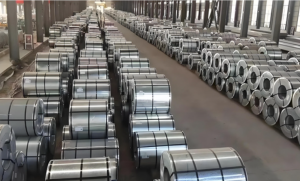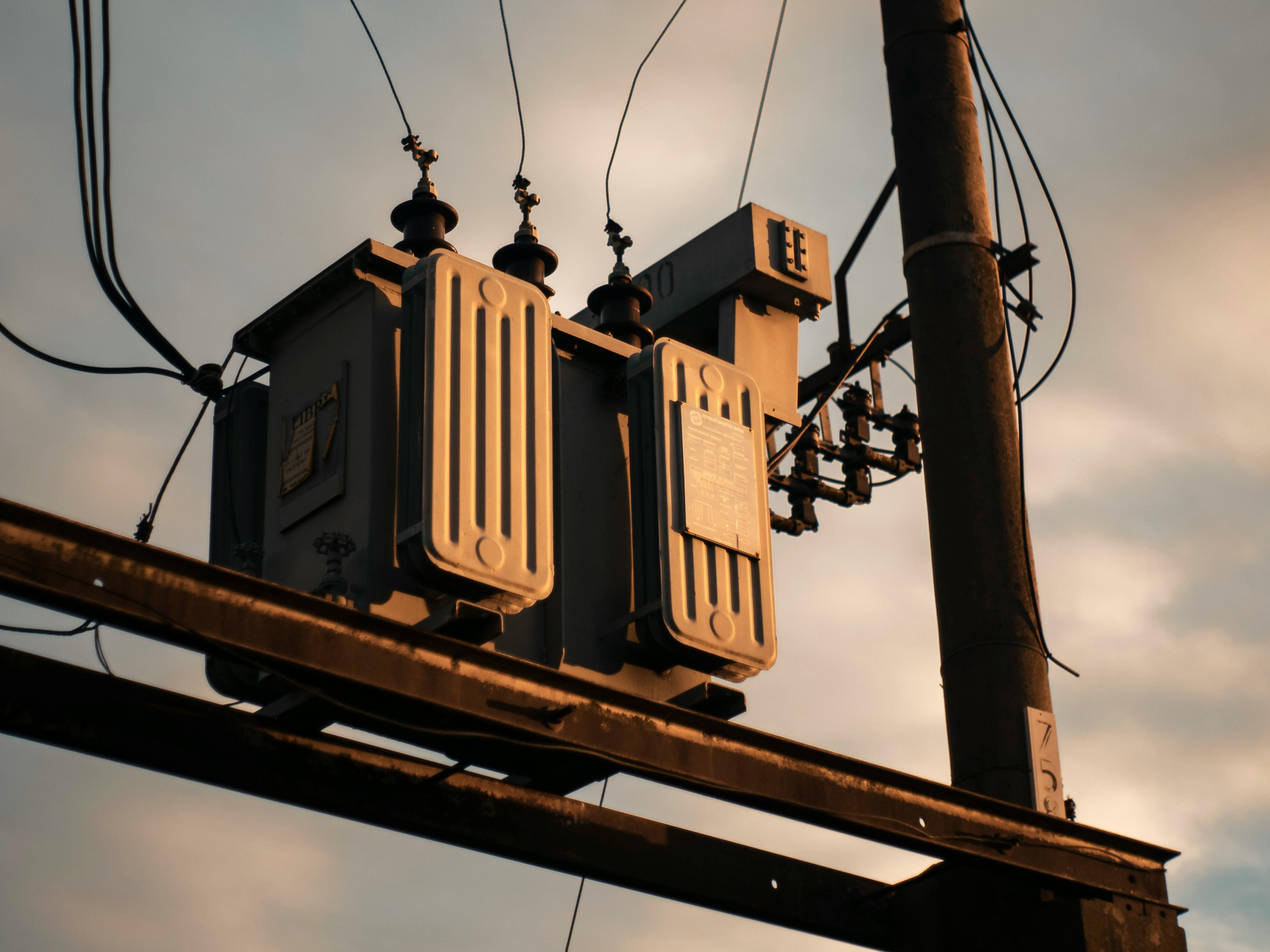
India’s power sector is entering a critical phase as the country faces a widening gap between domestic CRGO steel supply and rapidly increasing demand. Cold Rolled Grain Oriented (CRGO) steel—also known as transformer steel—is the backbone material used in electric motors, power transformers, and a wide range of electrical equipment. Its ability to reduce core loss makes CRGO indispensable for transformer cores across the national grid.
A recent report released by the Global Trade Research Initiative (GTRI) on December 16, 2024, highlights a concerning trend: India’s domestic production currently meets only 10–12% of total CRGO requirements. This heavy dependence on imports creates persistent uncertainty and exposes the country’s power infrastructure to significant supply-chain risks.
Current Supply–Demand Landscape
Domestic Output
India produced roughly 50,000 metric tons (mt) of CRGO steel during FY 2023–24—far below what the expanding power sector requires.
Total Demand
Annual CRGO demand is estimated at 400,000 mt, reflecting the scale of transformer and motor production needed to support India’s grid development.
Imports
India imported about 239,000 mt of CRGO steel from China, Japan, Russia, and South Korea. Even with these imports, the country still faces a 30% deficit in high-grade electrical steel, hindering grid upgrades and renewable energy infrastructure.
Delays in Import Licensing Create Additional Pressure
A major bottleneck in the CRGO supply chain stems from delays in renewing BIS (Bureau of Indian Standards) certifications. Several foreign manufacturers—especially from Japan, South Korea, and China—experienced license renewal delays, leading to shipment shortages and longer lead times. As a result, transformer manufacturers dependent on imported grain-oriented transformer steel have struggled to secure stable supply.
Why Demand for Transformer Steel Is Rising So Quickly
India’s annual demand for CRGO steel is expected to grow by 10–12%, driven by long-term structural factors:
1. Expansion of Power Infrastructure
India’s power sector is scaling rapidly, supported by traditional capacity additions and the goal of installing 500 GW of renewable energy by 2030. Every new solar farm, wind project, or grid expansion requires transformers built with high-permeability CRGO steel.
2. New Energy Efficiency Standards
From January 2025 onward, the Bureau of Energy Efficiency (BEE) will require star-rated distribution transformers. This shift significantly increases the need for low-loss transformer core steel, especially higher-grade CRGO with superior magnetic performance.
If supply constraints persist, India risks delays in both transmission upgrades and renewable energy integration.
Key Challenges Hindering India’s CRGO Supply Chain
1. Limited Domestic Manufacturing
India has only a handful of producers capable of manufacturing CRGO steel, and local production covers only a small portion of national requirements. Manufacturers such as Thyssenkrupp Electrical Steel India Pvt Ltd can meet only a fraction of the growing transformer industry’s needs.
2. Certification Barriers
While BIS certification ensures quality, the narrow list of approved grades restricts access to many global CRGO products—especially high-efficiency transformer steel grades needed for modern grid systems.
3. Export-Driven Supply
Some domestic suppliers prioritize exports, reducing the volume available within India and adding further pressure to the domestic supply landscape.
4. Long Import Lead Times
Customs procedures, slow certificate renewals, and shipping delays significantly extend lead times for grain-oriented electrical steel, affecting transformer manufacturers dependent on timely deliveries.
Strategies to Strengthen India’s CRGO and Transformer Steel Supply
1. Expand Domestic Production
India must accelerate investments in local CRGO manufacturing.
- New production facilities: Establish CRGO-focused mills using advanced EAF technology to reduce carbon footprint and increase supply.
- Technology upgrades: Domestic producers should upgrade equipment to produce high-grade, low-loss transformer core steel that meets modern efficiency standards.
2. Reform the BIS Certification System
- Simplify the approval process for foreign suppliers.
- Expand the list of approved CRGO grades.
- Reduce administrative delays while ensuring core loss and magnetic property compliance.
3. Strengthen Import Diversification
- Broaden sourcing regions beyond China, Japan, and South Korea.
- Encourage long-term supply agreements with global CRGO mills to stabilize transformer steel availability.
4. Promote Recycling and Innovation
- Increase scrap-based production to lower reliance on imported raw materials.
- Support R&D into alternative materials that could replace CRGO steel in niche applications, reducing overall dependency.
Conclusion
India’s shortage of CRGO transformer steel represents a major challenge for the country’s energy transition. Without immediate steps to strengthen domestic production, streamline import regulations, and expand supplier networks, key grid modernization and renewable energy projects could face substantial delays.
The path forward requires coordinated action—expanding capacity, diversifying import channels, and ensuring access to high-quality, low-loss CRGO grades essential for energy-efficient transformers. Addressing these issues today is crucial to safeguarding India’s energy ambitions and achieving long-term sustainability goals by 2030.
Looking for Reliable CRGO Supply?
If you are a transformer manufacturer or electrical steel buyer seeking stable, high-quality CRGO supply,
DLS CRGO offers dependable sourcing, technical support, and flexible delivery options for global customers.
Feel free to reach out for transformer-grade CRGO solutions tailored to your production needs.