Precision in Transformer Core Manufacturing
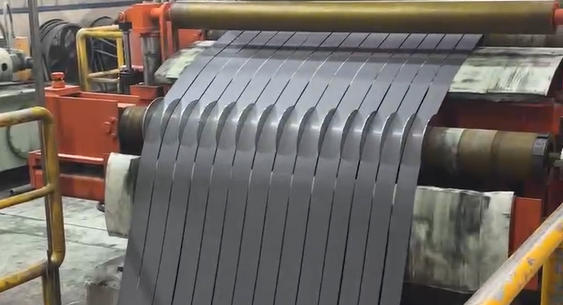
Manufacturing a transformer core requires accuracy in both size and magnetic performance. Even a small variation in coil width can cause extra scrap, uneven stacking, and higher magnetic losses. CRGO steel narrow-width coils solve this problem by providing material cut to precise dimensions that fit transformer lamination designs. This ensures excellent material use and stable magnetic efficiency right from the start of production.
Optimized Material Utilization
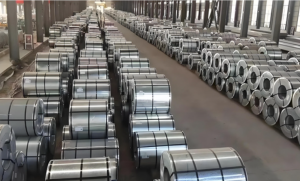
Traditional wide coils made from electrical steel often need extra slitting or trimming before use. This process not only wastes time but also creates more scrap. In contrast, CRGO narrow-width coils come pre-cut to exact lamination sizes, reducing offcuts and improving yield. The result is a smoother production flow, better quality control, and lower operation costs—especially in high-volume transformer core steel production lines.
Superior Magnetic Performance
The real advantage of grain oriented silicon steel lies in its carefully controlled crystal structure. Each grain is aligned along the rolling direction, allowing magnetic flux to pass smoothly through the silicon steel transformer core. This reduces hysteresis and eddy current losses, leading to lower energy loss and less heat during operation. Whether referred to as oriented silicon steel or high permeability steel, this material enables transformers to perform more efficiently and reliably for longer service life.
Manufacturing and Operational Benefits
Using grain oriented electrical steel narrow-width coils offers several practical advantages:
- No Additional Slitting: Simplifies workflow and minimizes material handling.
- Uniform Lamination Widths: Improves stacking accuracy and reduces air gaps in the transformer steel core.
- Lower Core Loss: The maintained grain direction enhances magnetic flux efficiency.
- Higher Throughput: Faster lamination assembly with consistent material quality.
- Material Cost Savings: Better utilization of each coil reduces waste and overall cost.
Application in Modern Transformer Production
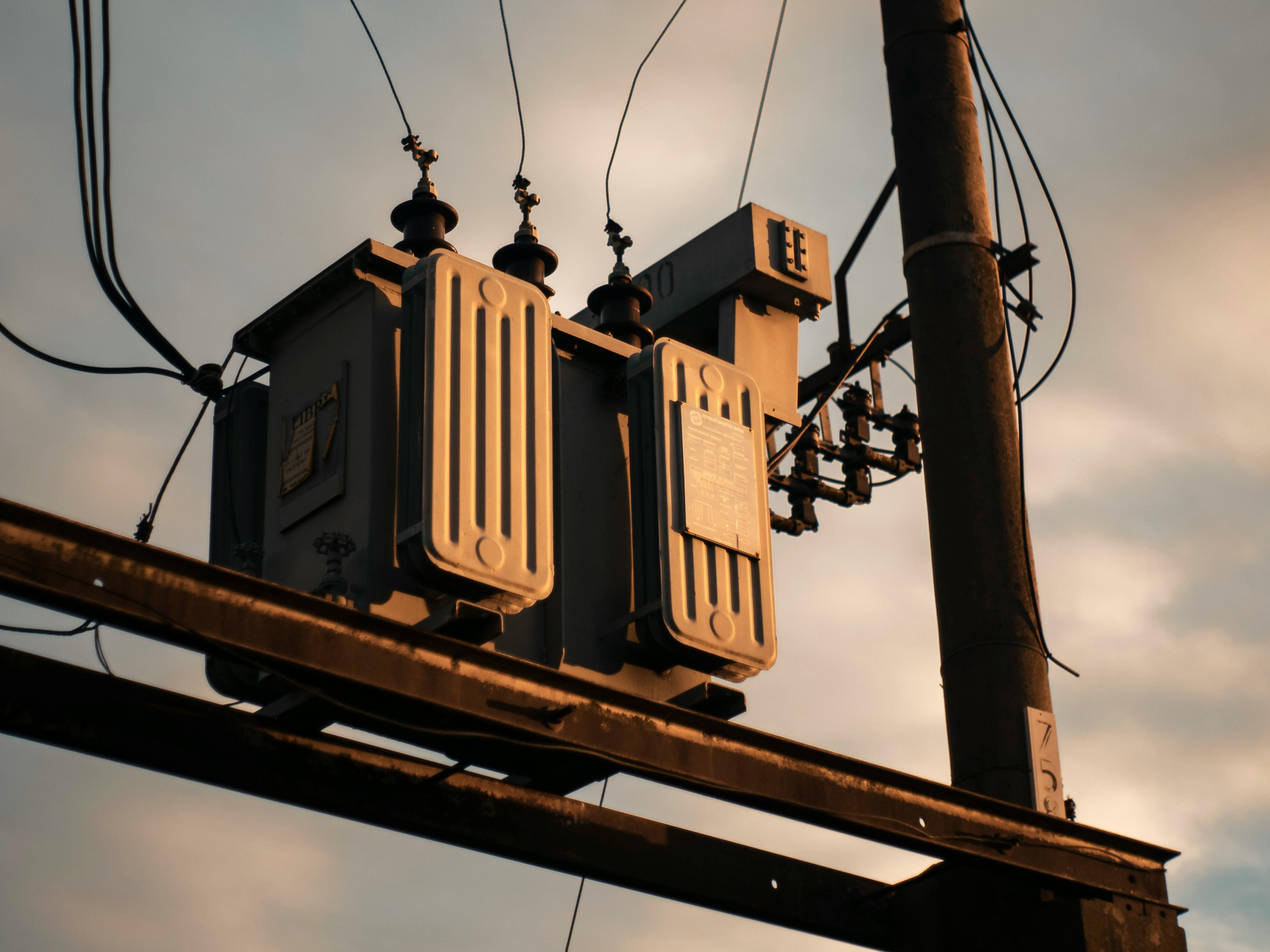
CRGO narrow-width coils are widely used in making rectangular, step-lap, and mitred laminations for both power and distribution transformers. Their smooth surface and consistent dimensions are ideal for automated cutting and stacking systems. These properties ensure stable quality and help manufacturers meet today’s strict energy-efficiency standards while maintaining high production speed.
Conclusion
For manufacturers aiming to improve productivity and energy efficiency, CRGO steel narrow-width coils represent a major upgrade. They reduce waste, enhance magnetic performance, and streamline manufacturing operations. As the demand for more efficient silicon steel transformer cores continues to rise, these optimized materials are becoming an essential part of modern transformer core steel production, supporting a more sustainable and reliable power network.