Turkey is playing a crucial role in the development of the Gulf region’s energy infrastructure by helping build a modern, digitalized dry-type transformer industry. This collaboration supports the region’s efforts to create a safer, more efficient, and eco-friendly energy system, addressing the growing demand for high-performance transformers. The partnership focuses on creating smarter, more sustainable manufacturing processes that align with the Gulf’s vision for energy transformation.
The Importance of Dry-Type Transformers
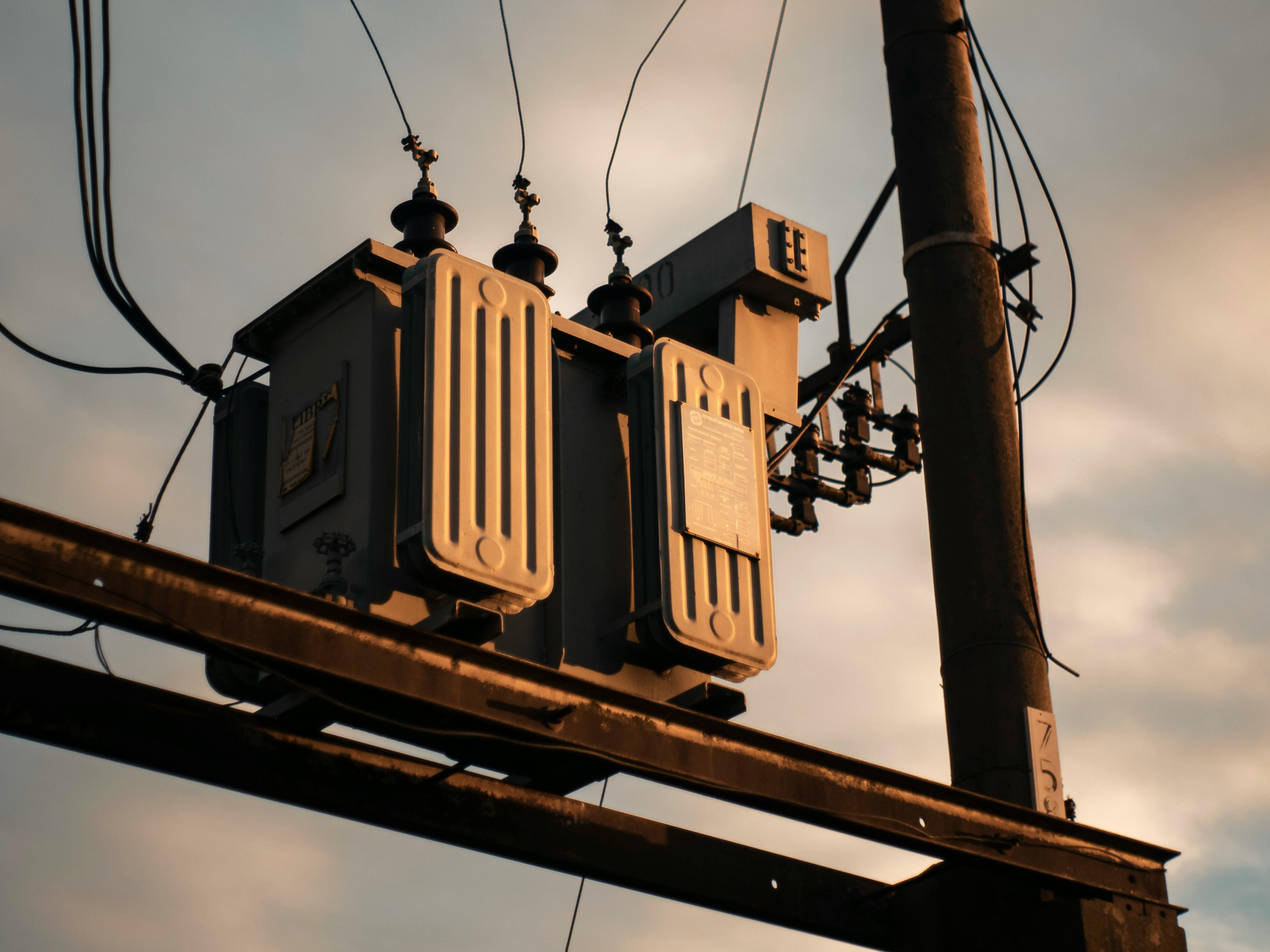
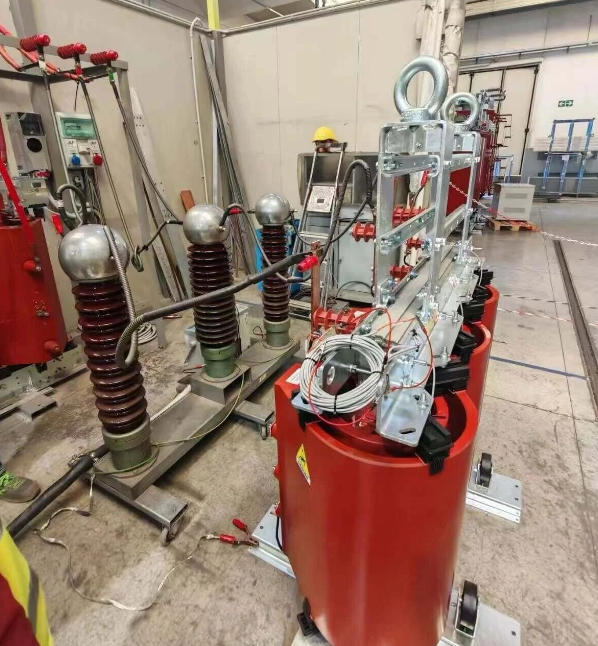
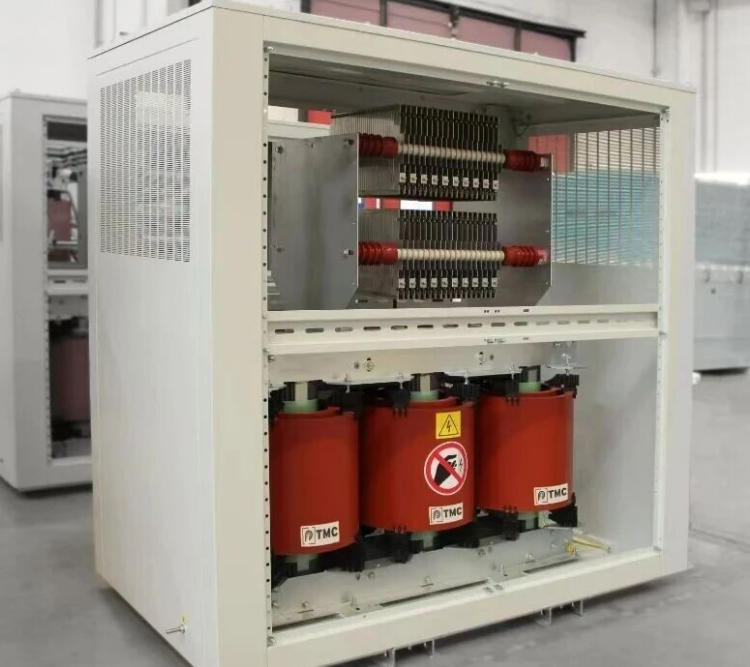
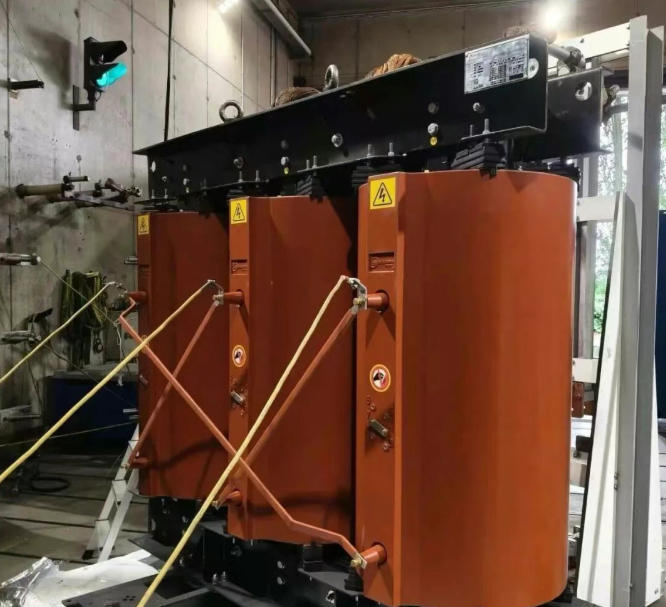
Dry-type transformers are essential in today’s energy industry due to their superior safety features, including fire resistance and explosion prevention. Unlike traditional oil-filled transformers, dry-type transformers use environmentally-friendly insulation materials, making them ideal for use in sensitive areas such as urban centers, transportation systems, and renewable energy power stations.
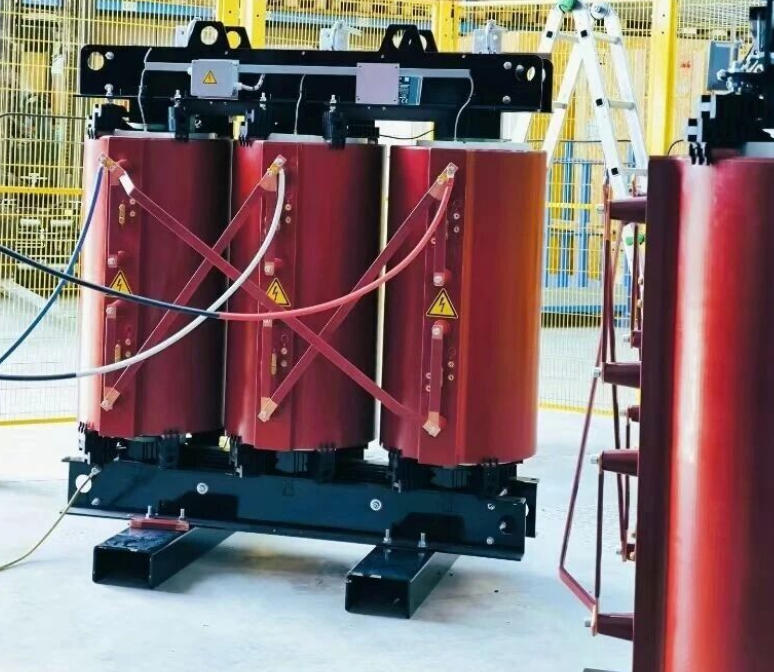
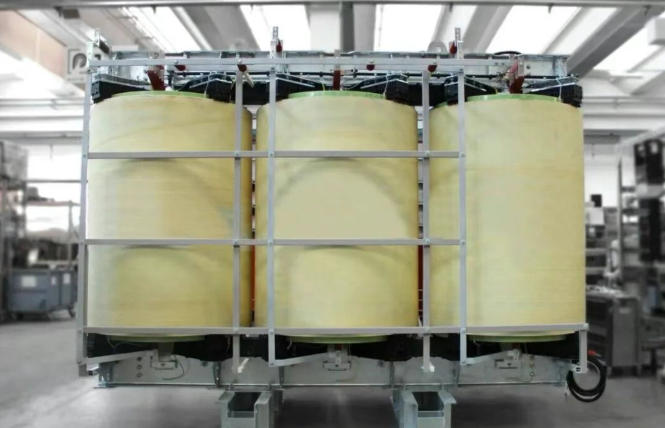
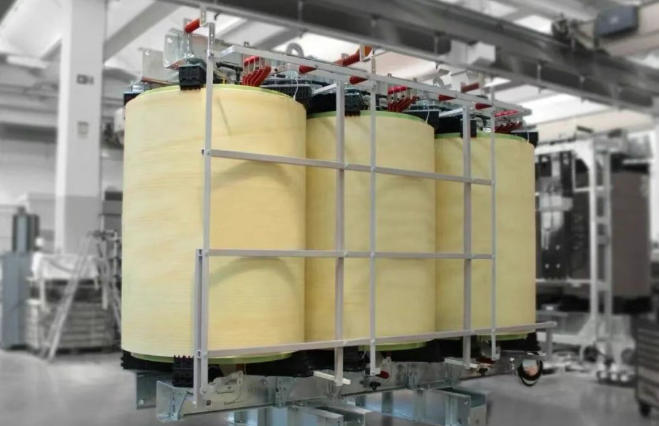
As the Gulf region diversifies its energy mix and moves toward more sustainable solutions, the demand for these high-quality transformers is increasing. These transformers are critical in improving the reliability and efficiency of power distribution networks, ensuring stable energy delivery across various sectors.
Turkey’s Role in the Digital Transformation
The collaboration between Turkey and the Gulf countries focuses on building a digitalized manufacturing ecosystem for dry-type transformers. The key aspect of this initiative is integrating Industry 4.0 technologies into transformer manufacturing. This involves the use of automated systems, robotics, and smart logistics to streamline production processes and enhance quality control.
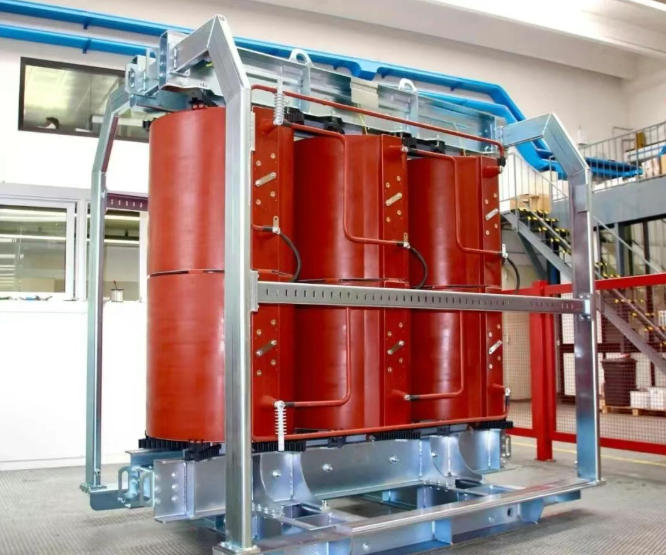
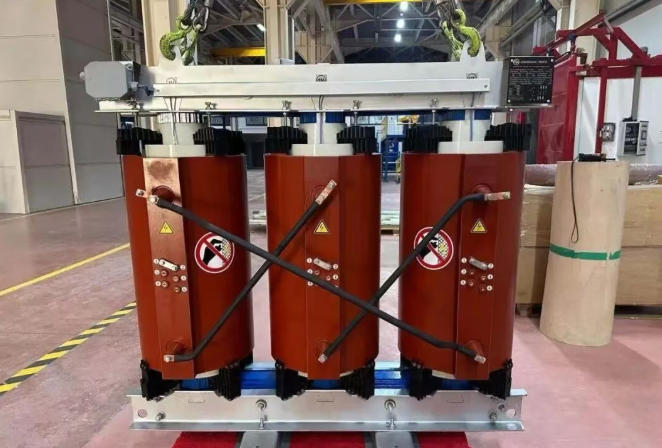
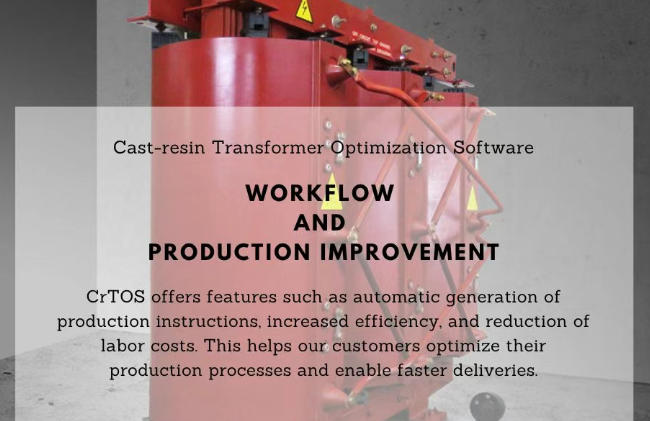
By implementing Manufacturing Execution Systems (MES) and Enterprise Resource Planning (ERP) software, the project will enable real-time data collection, production optimization, and resource management. These technologies will help reduce production costs and increase the efficiency of transformer manufacturing, allowing for faster, more cost-effective solutions to meet growing regional demand.
Meeting the Growing Energy Demand
The Gulf region, with its focus on sustainability, is transitioning away from traditional fossil fuels. Governments across the region have set ambitious goals to modernize the energy sector by integrating renewable energy sources and enhancing grid infrastructure. As a result, dry-type transformers, known for their low maintenance and environmental benefits, are becoming increasingly essential.
Turkey’s expertise in transformer manufacturing and its commitment to technological innovation are enabling the Gulf countries to achieve these goals. The collaboration not only improves the region’s energy infrastructure but also helps position the Gulf as a leader in renewable energy adoption and sustainable development.
Key Benefits of the Project
- Enhanced Safety and Efficiency: Dry-type transformers reduce the risks of fire and environmental contamination, offering a safer alternative for urban and industrial settings.
- Cost-Effective Manufacturing: The use of advanced digital systems and automation reduces operational costs and improves the speed of production.
- Eco-Friendly Solution: By eliminating the need for insulating oil, dry-type transformers are more environmentally friendly, aligning with global sustainability goals.
- Increased Grid Stability: The transformers enhance grid reliability, which is essential as the region adopts more renewable energy sources.
Conclusion:A Step Towards a Sustainable Future
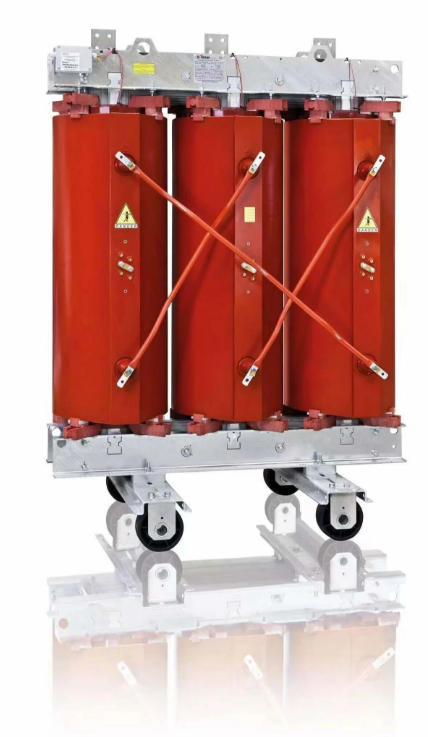
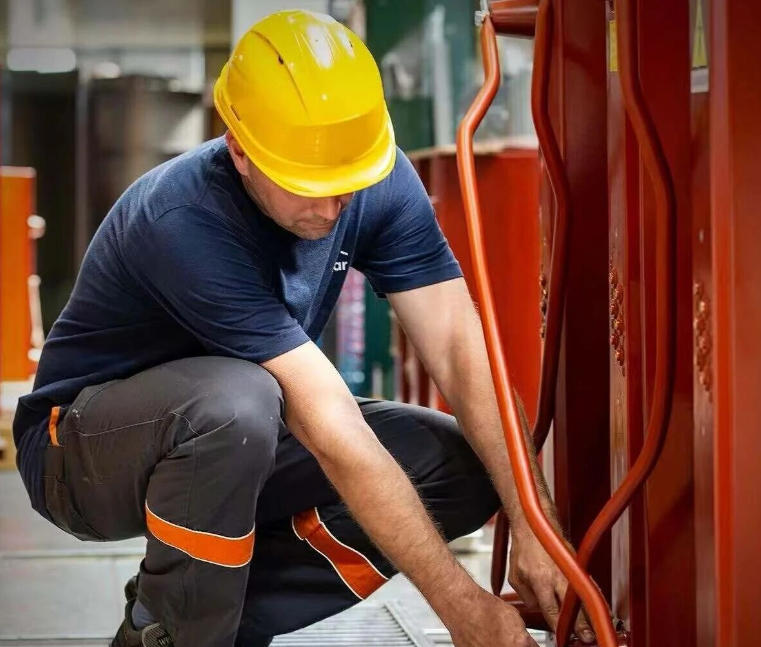
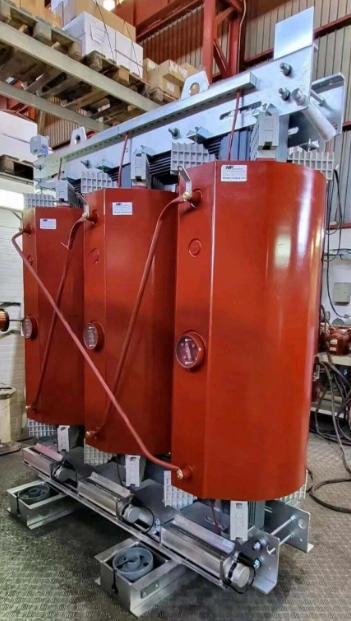
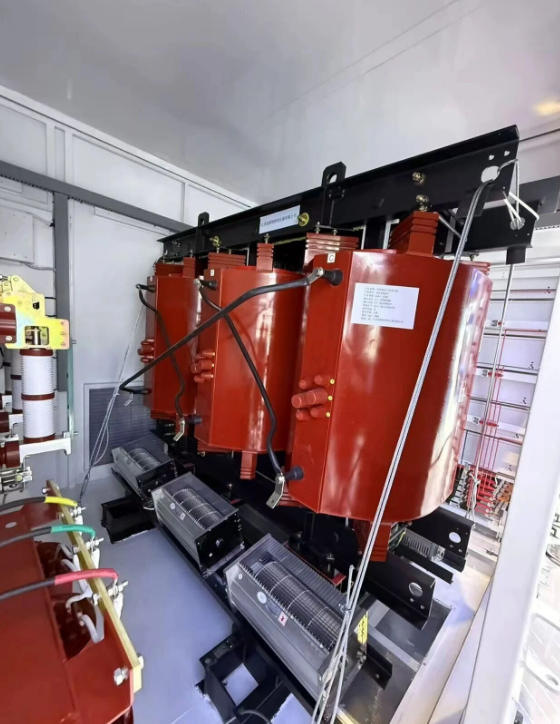
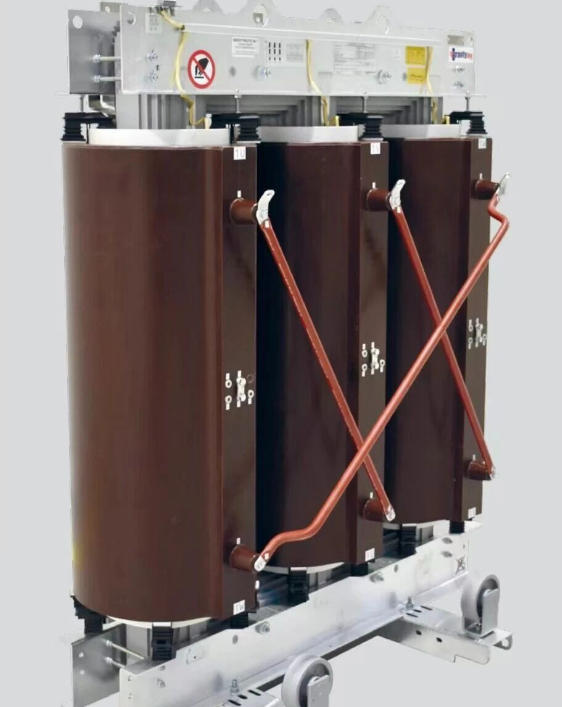
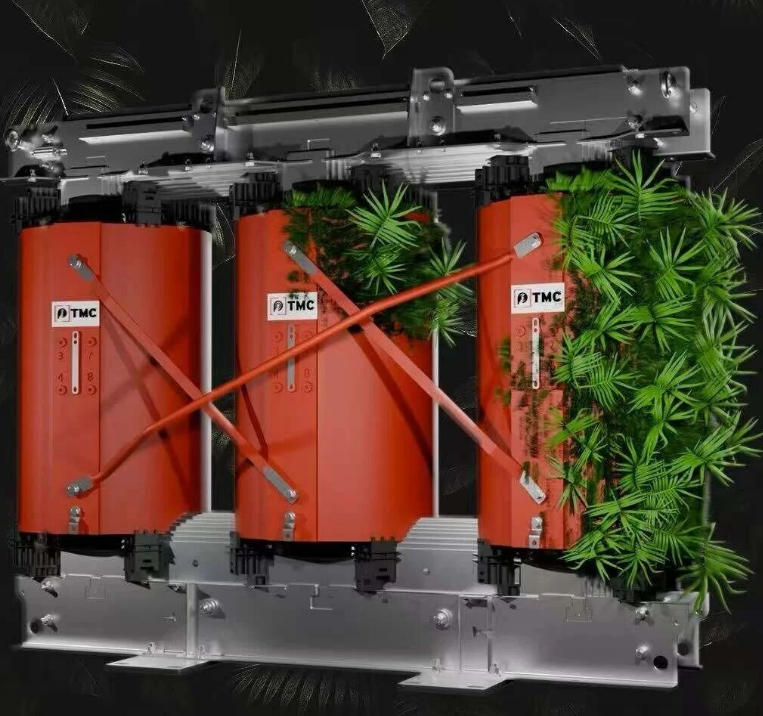
This collaboration represents a major milestone in the Gulf’s energy sector, leveraging Turkey’s expertise to build a digitalized, sustainable dry-type transformer industry. The region’s growing demand for high-quality, eco-friendly transformers is met with innovative manufacturing solutions that enhance energy efficiency, reduce costs, and support long-term sustainability goals.
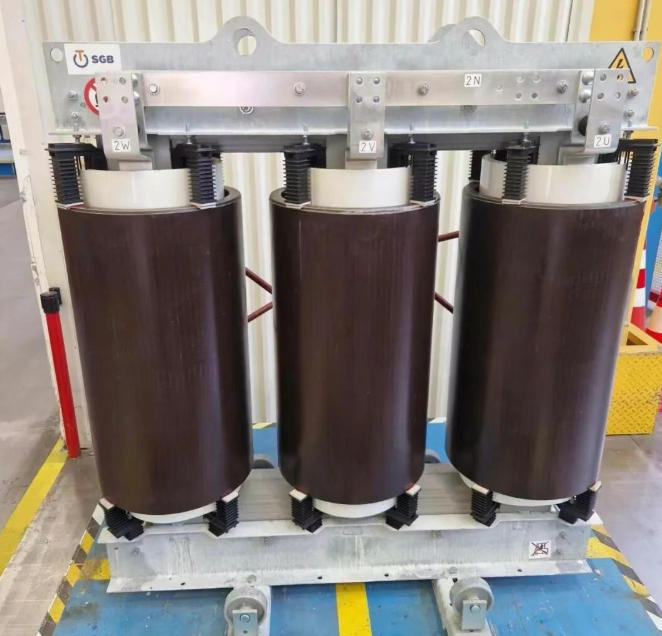
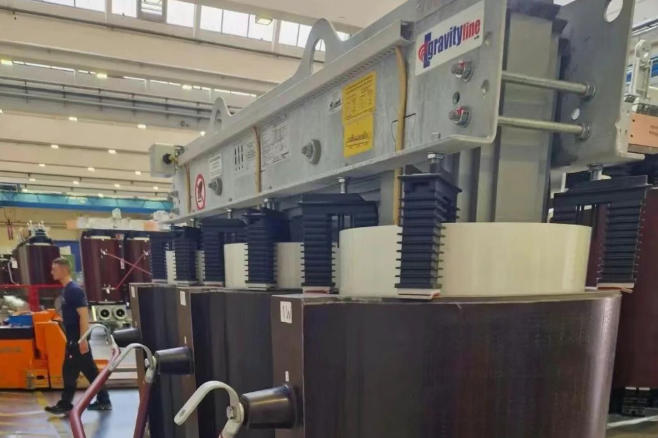
Zenithar’s role in this project showcases its commitment to improving the energy infrastructure in the Gulf region, offering a model for future international collaborations. With the integration of smart manufacturing technologies, this partnership is not only addressing the region’s immediate energy needs but also laying the foundation for a greener, more resilient energy future.